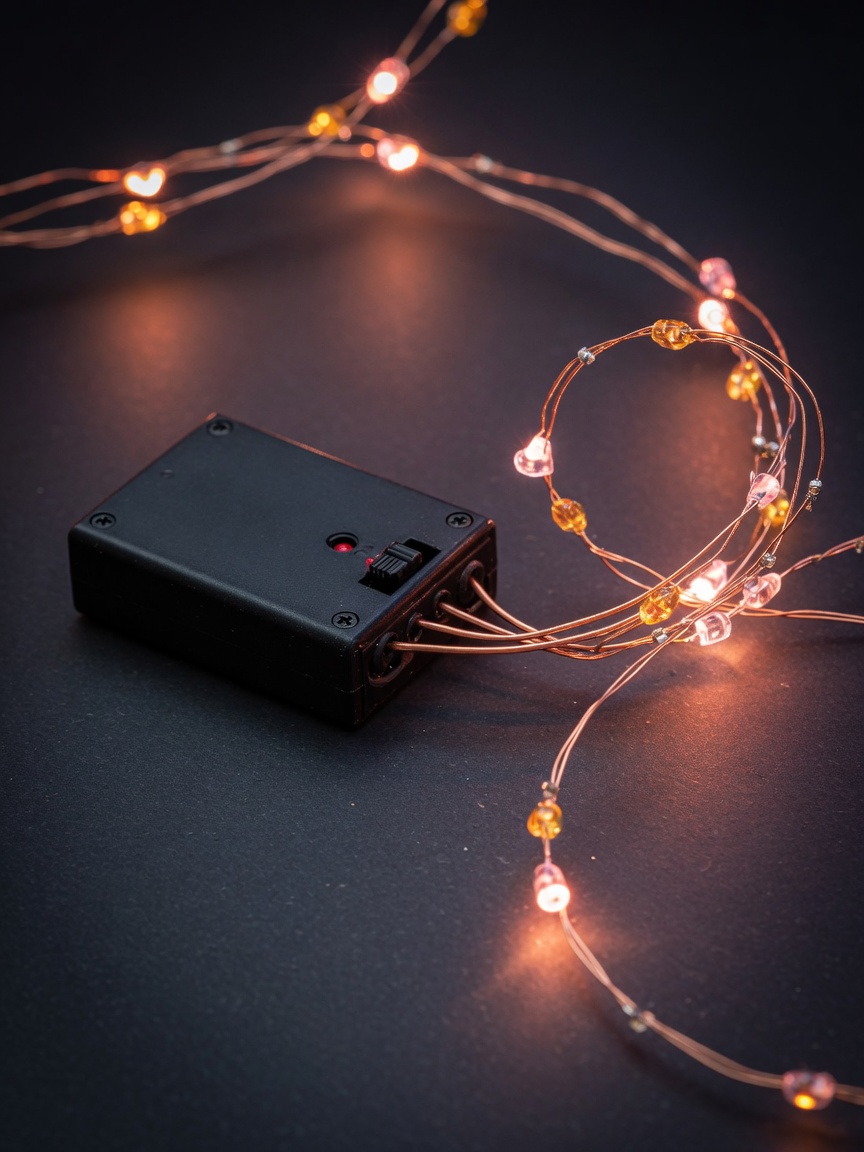
The Energy Budget of Battery Christmas Lights: Start With the Nodes That Are Off
Saving power on battery strings is not about dimming — it is about standby. Under animated patterns about two thirds of the current goes to unlit nodes. We break down the 100-node current budget, the voltage dependence of standby current, wide-range constant current and 8-step gain, with a runtime formula and battery comparison.
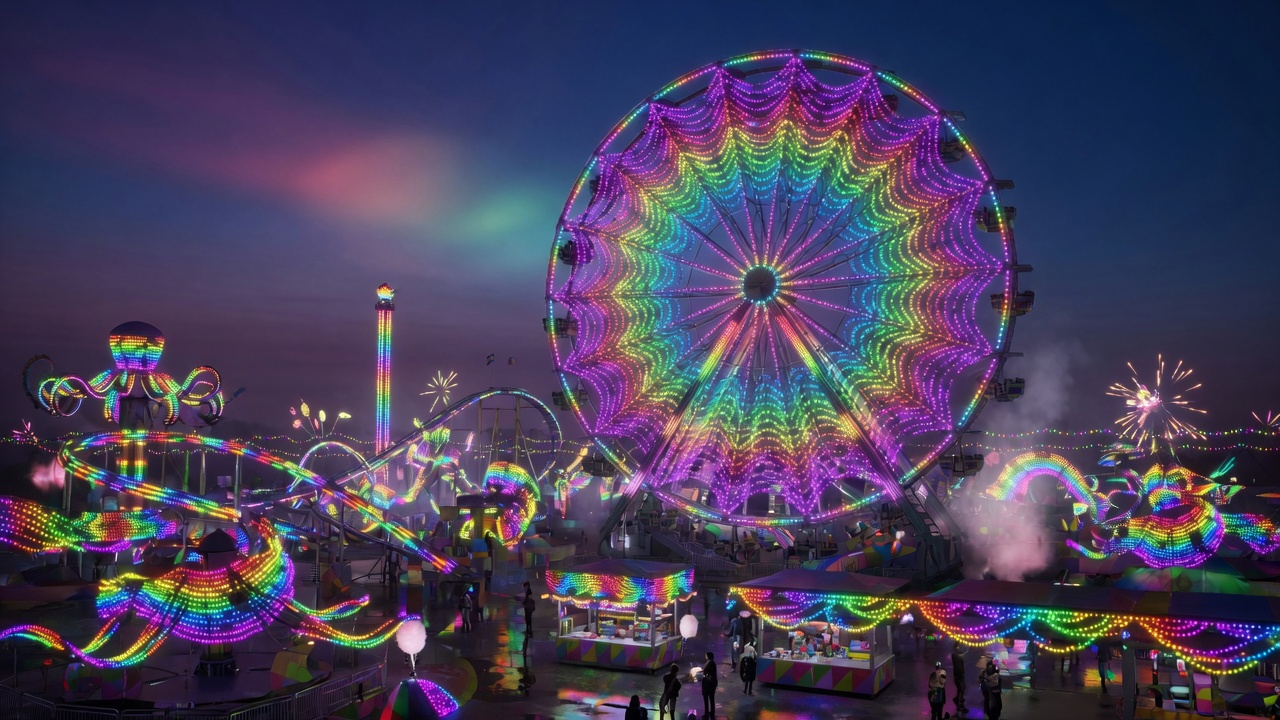
Amusement Park and Carnival Addressable Lighting: Making Every Ride Glow and Dance
Color flows around the Ferris wheel's outline, spinning rides trail ribbons of light — a park's nighttime carnival relies on addressable LEDs traced along the rides. They turn steel machinery into breathing, dancing light sculptures. A look at amusement park lighting engineering.
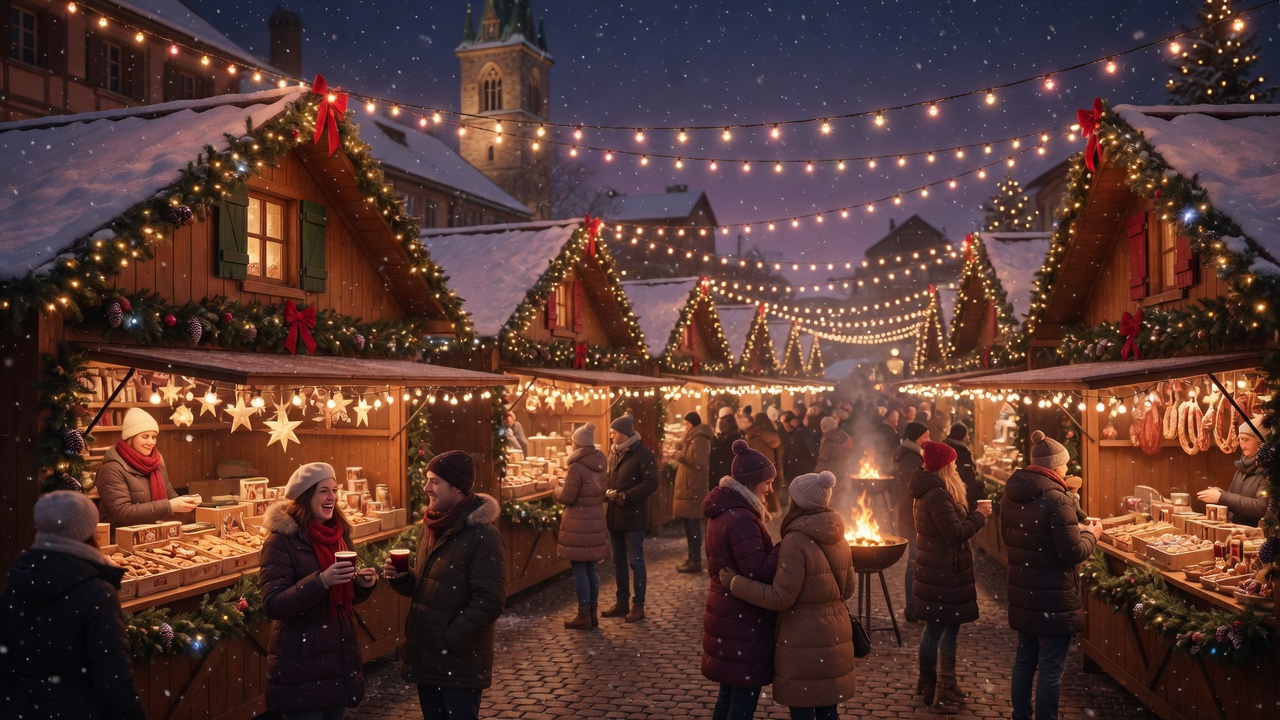
Addressable Lighting for Christmas Markets and Winter Villages: Turning Cold Nights into a Warm Home
On a cold winter night, rows of wooden-hut stalls hang with warm amber lights — a Christmas market's magic is the result of lighting design. Addressable LEDs take warm light from fixed lamps to a living atmosphere that flows with the night and shifts with the theme.
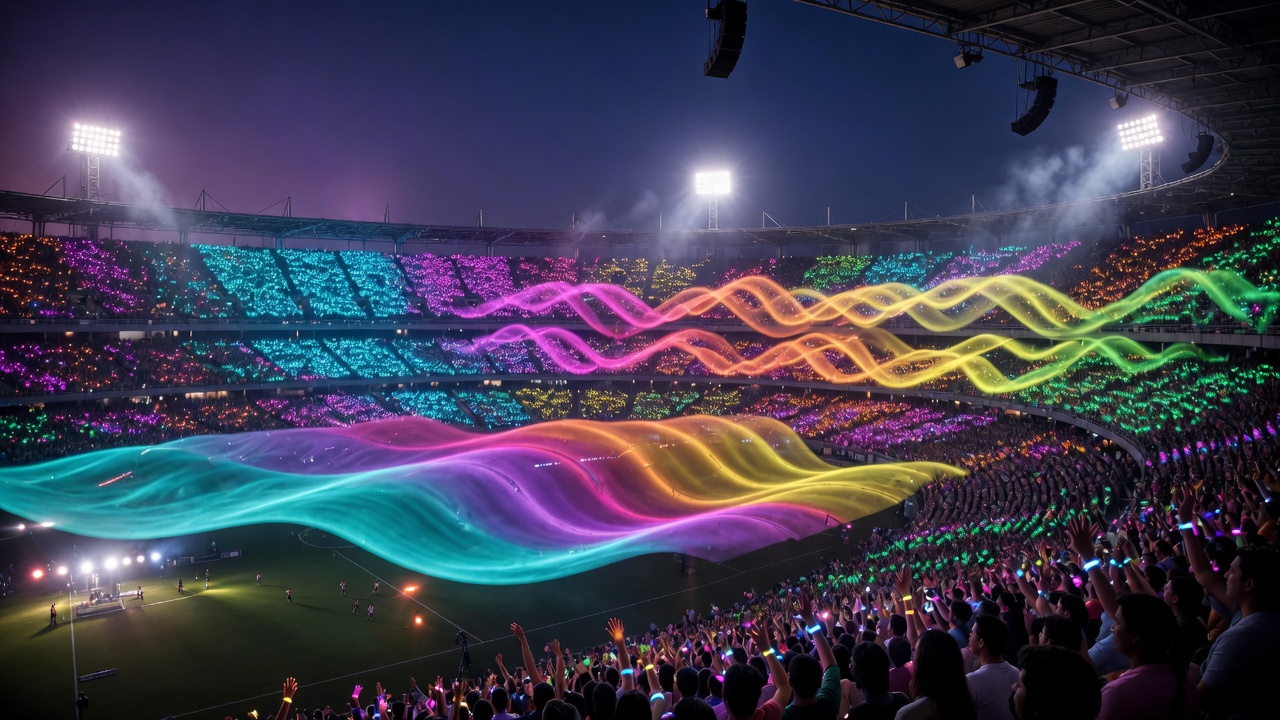
Addressable Light Shows in Stadiums and Arenas: Turning the Whole Stand into a Moving Screen
At a match's climax the whole stand ripples with a color wave—addressable LEDs across the seating staging a light show. Stadiums turn tens of thousands of seats into a giant moving screen. A look at the scale, sync, and reliability of venue-scale light shows.
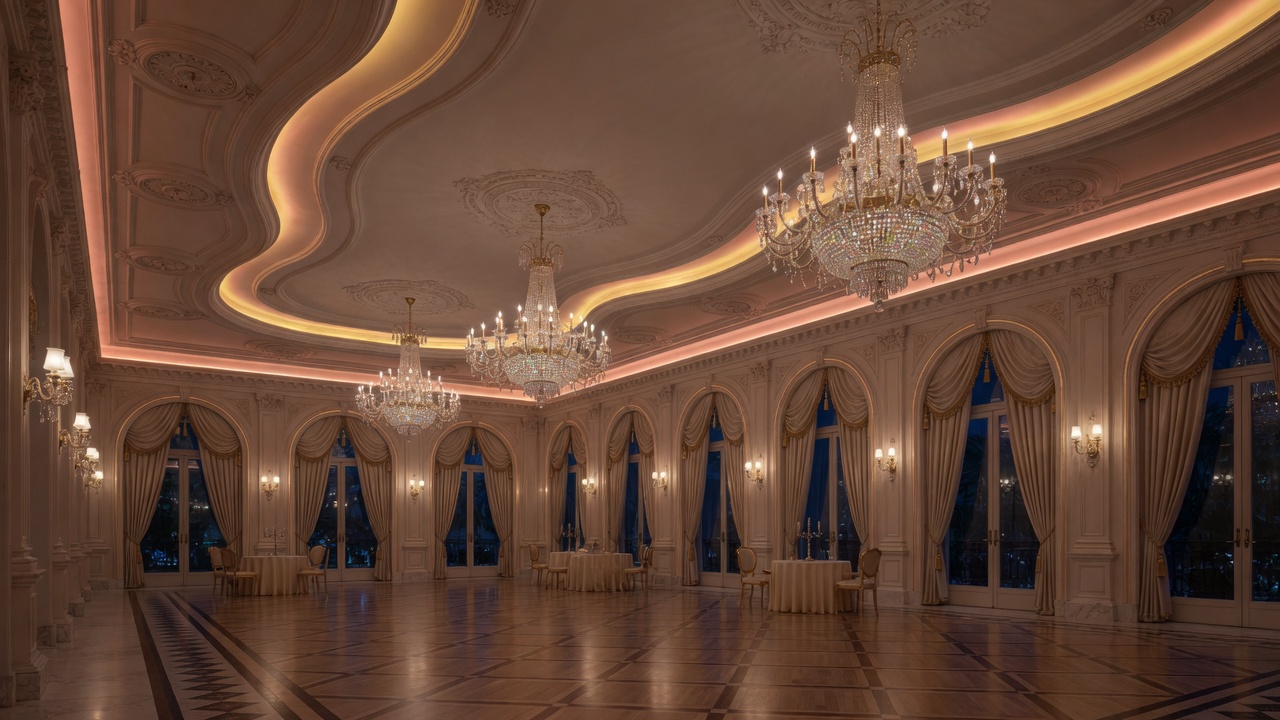
Addressable Lighting for Hotels and Hospitality: Shaping Guest Mood with Light
The composure of the lobby, the warmth of the restaurant, the grandeur of the ballroom—a hotel's mood is lighting working silently. Hospitality lighting chases 'right,' not dazzle. Addressable LEDs make fine atmospheric shaping something you can choreograph.
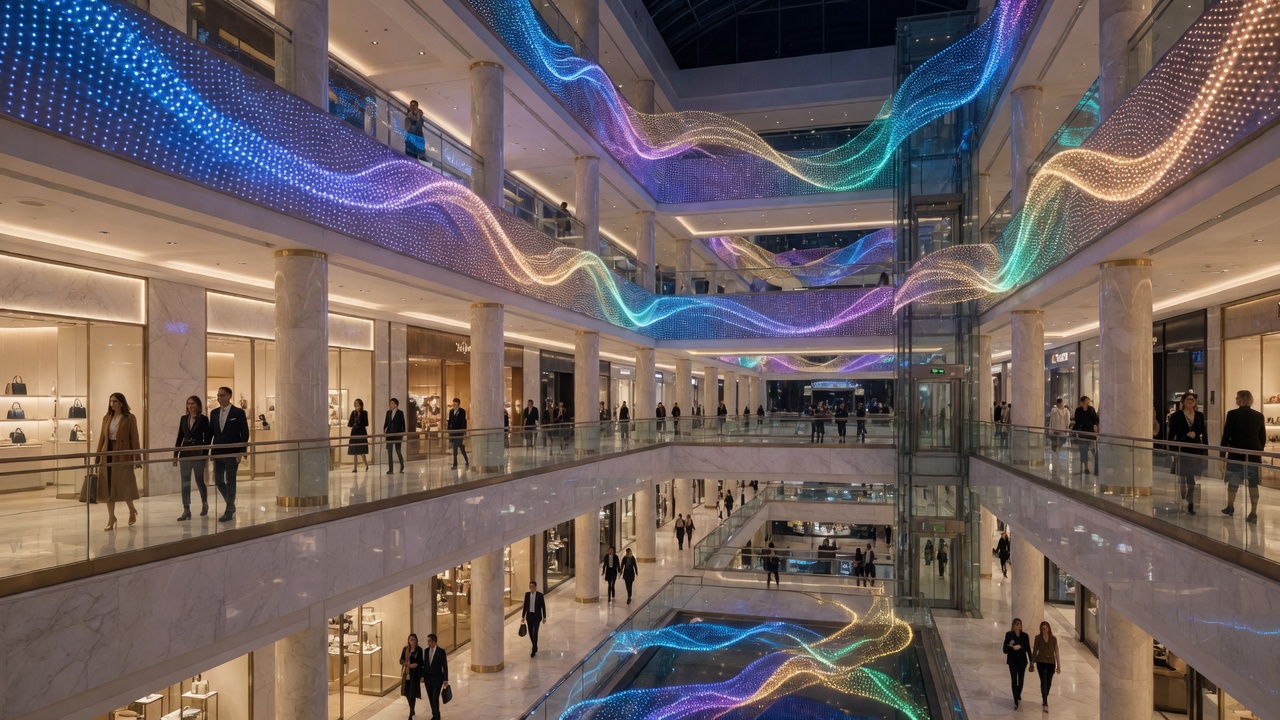
Addressable Lighting for Retail Malls and Brand Spaces: Turning the Journey Into an Experience
Modern retail is a place for experience. Atrium ceilings, brand facades, dynamic windows — light turns the journey into an experience. Addressable LEDs let commercial spaces change their look in real time with each campaign, turning 'coming to shop' into 'coming for the experience.'
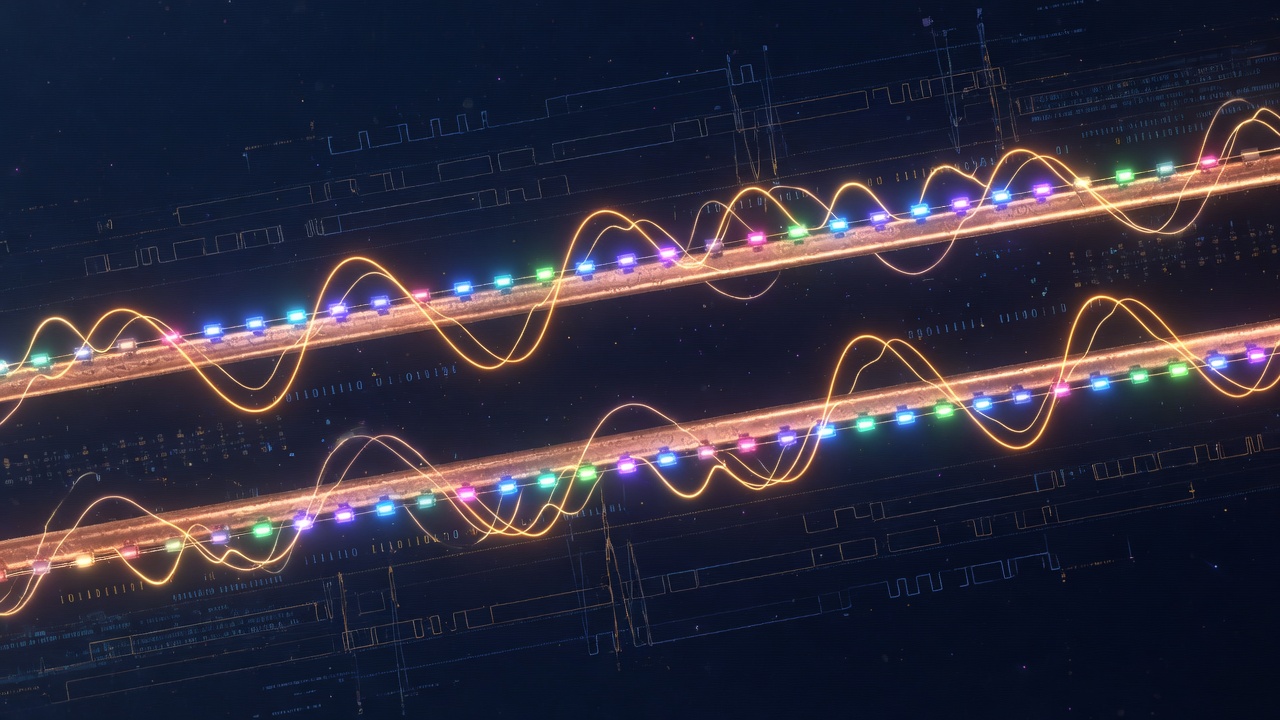
Where the Light Goes: LED Optics, Beam Angle, and Photometric Files (IES LM-63)
Left unguided, an LED's light scatters everywhere. Optics decide where it goes and how far it spreads. All of it can be captured precisely in an IES LM-63 photometric file, so designers can simulate real light on screen. A look at LED optics and light distribution.
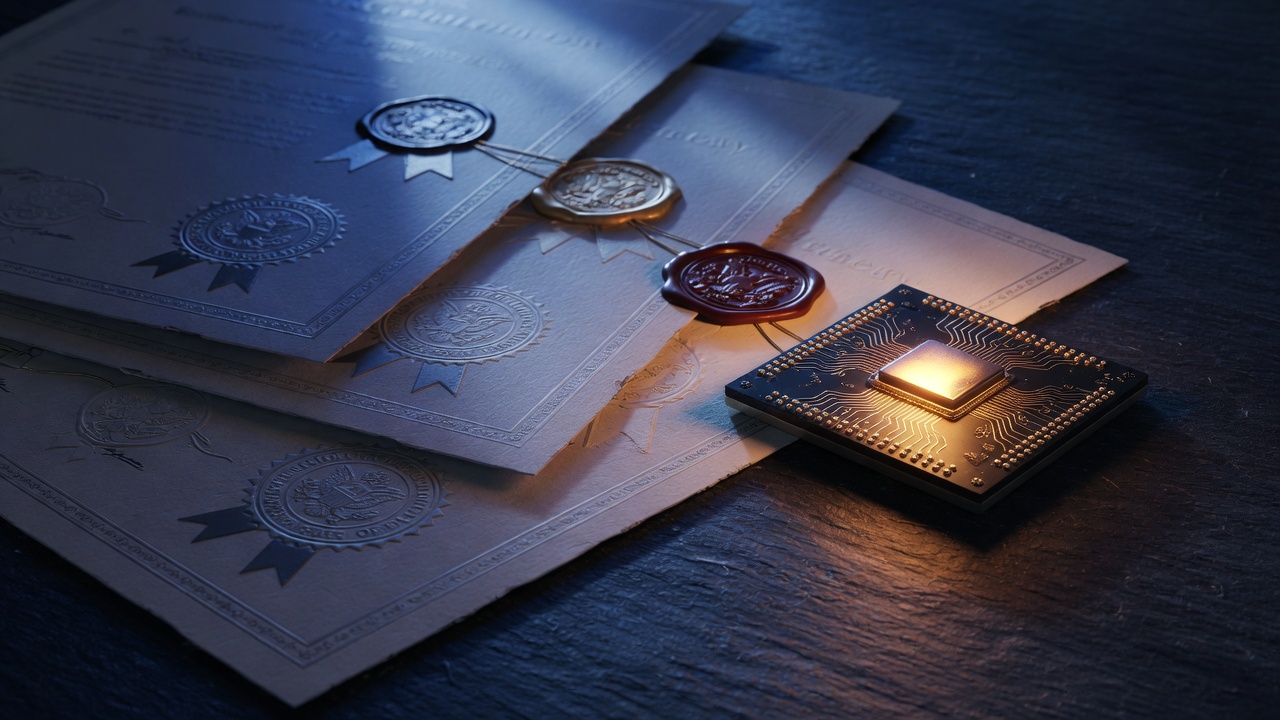
From Chip to Finished Product: The Safety Standards and Certification System for Addressable LEDs
An advanced chip alone is not the deciding factor—an LED product must pass a full suite of safety and EMC certifications to reach the market legally. From IEC 62031 module safety and IEC 62560 complete-lamp safety to CE and UL, this maps out the certification landscape.
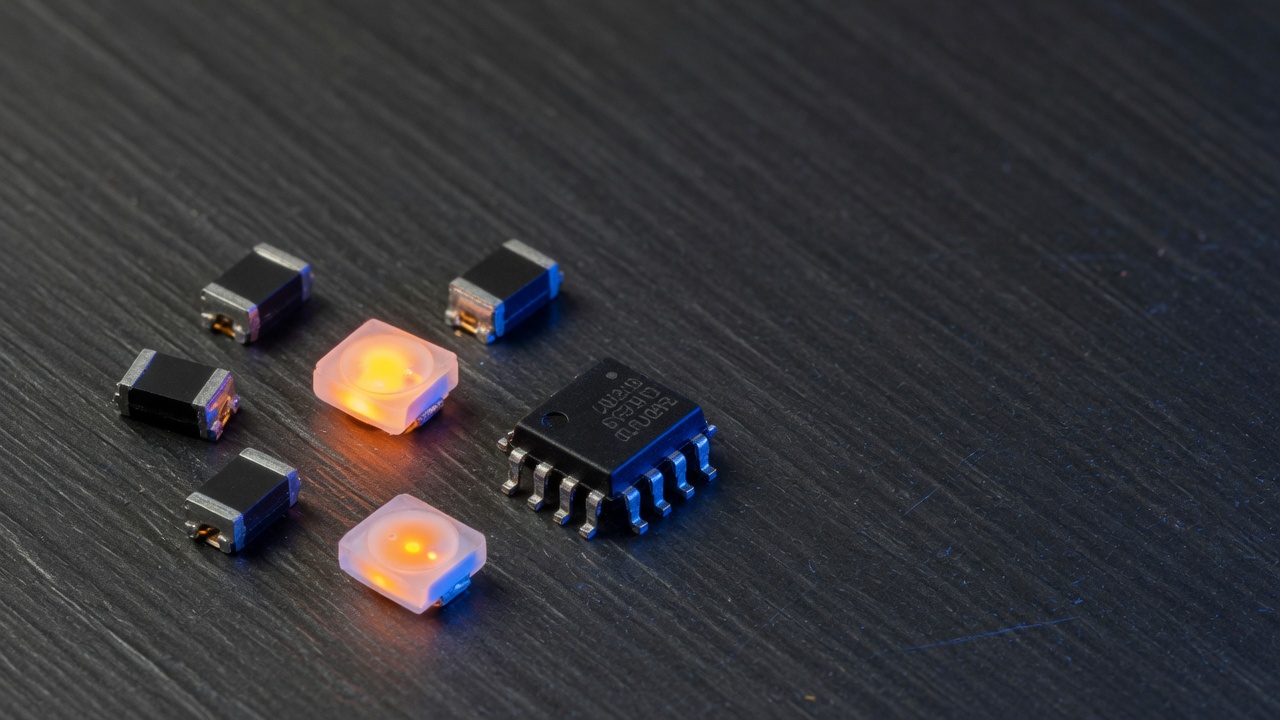
Glare and Visual Comfort: Engineering Comfort with UGR, EN 12464, and Addressable Lighting
Bright is not the same as comfortable. A light source that is too bright against a background that is too dark produces glare. From the Unified Glare Rating (UGR) and the glare limits in EN 12464-1 to the comfort balance of addressable lighting, this article unpacks visual-comfort engineering.
Power Quality of LED Drivers: Harmonic Current, Power Factor, and IEC 61000-3-2
One or two LEDs mean nothing, but a whole city's illumination on the grid at once is a real problem. Nonlinear LED drivers produce harmonic current that pollutes the grid. From harmonics and power factor to the limits of IEC 61000-3-2, this article unpacks power quality.
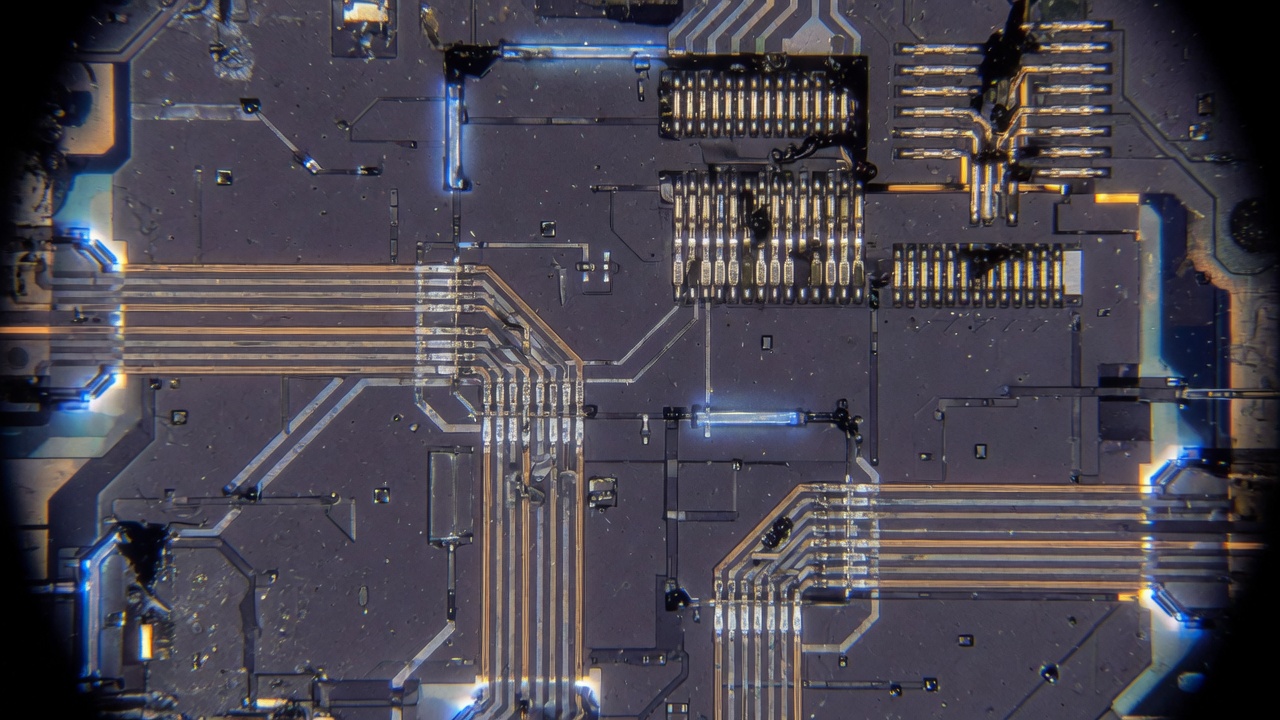
LED Heat Dissipation and Thermal Management: Why Temperature Decides a Pixel's Brightness and Lifespan
'LEDs don't get hot' is a misconception. An LED turns most of the electrical energy into heat, and if it can't escape, the pixel dims, shifts color, and dies young. From the effect of junction temperature on lumen depreciation and lifespan to thermal-management design, a look at LED thermal engineering.
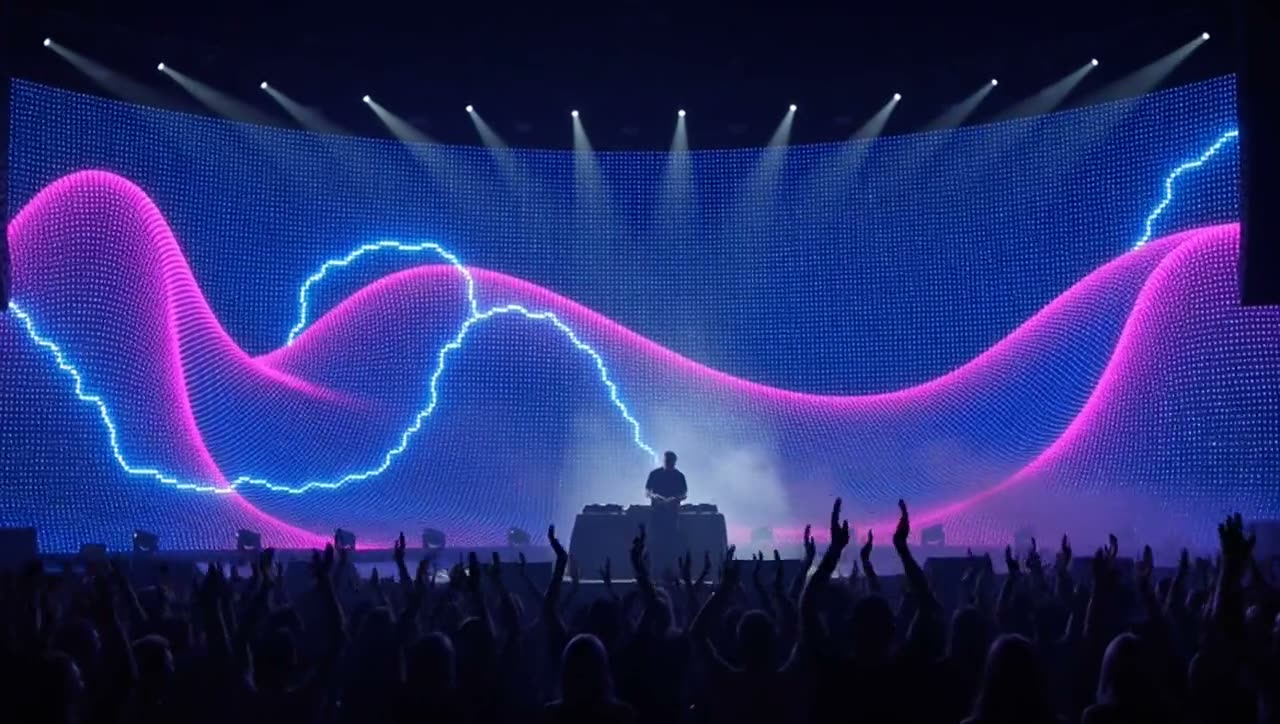
Addressable Lighting for Nightclubs, Bars, and Nightlife Venues: Making the Space Come Alive to the Beat
Walls pulsing, ceilings streaming, the bar bursting with the bass — a nightclub's lighting makes the space part of the music. A look at audio-reactive sync, DJ integration, and around-the-clock reliability in nightlife lighting engineering.

Addressable Decorative Lighting for Yachts, RVs, and Vehicles: Low-Voltage Point Control for Spaces on the Move
A yacht's hull outline, an RV's interior mood—how do spaces on the move use addressable LEDs for decorative lighting? A look at 12V/24V low-voltage adaptation, shaped wiring, and reliability engineering for vibration- and moisture-prone environments.
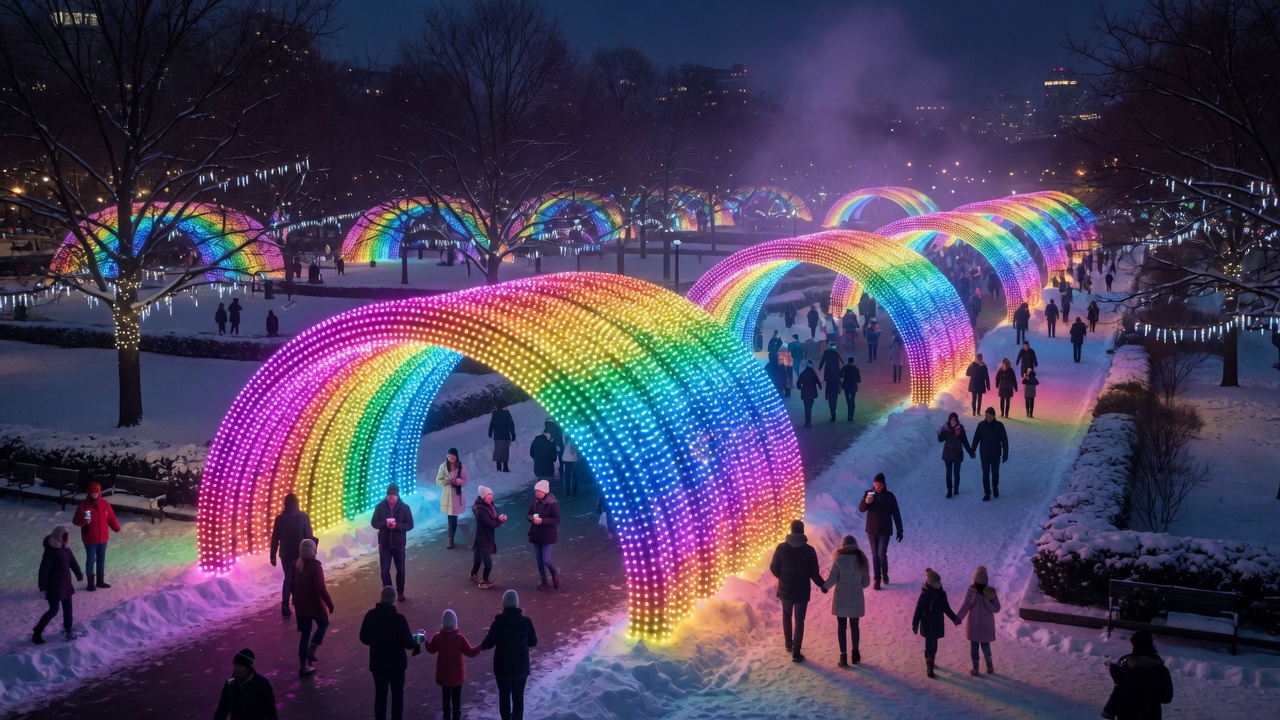
Addressable LEDs at Light Festivals and Large Illumination Events: Turning a City Park into a Playground of Light
A glowing tunnel, a color-shifting arcade, a giant sculpture that breathes with the crowd—a light festival turns a park into a playground of light you can walk into. A look at the scaling, outdoor reliability, and crowd-interaction engineering of large interactive light installations.
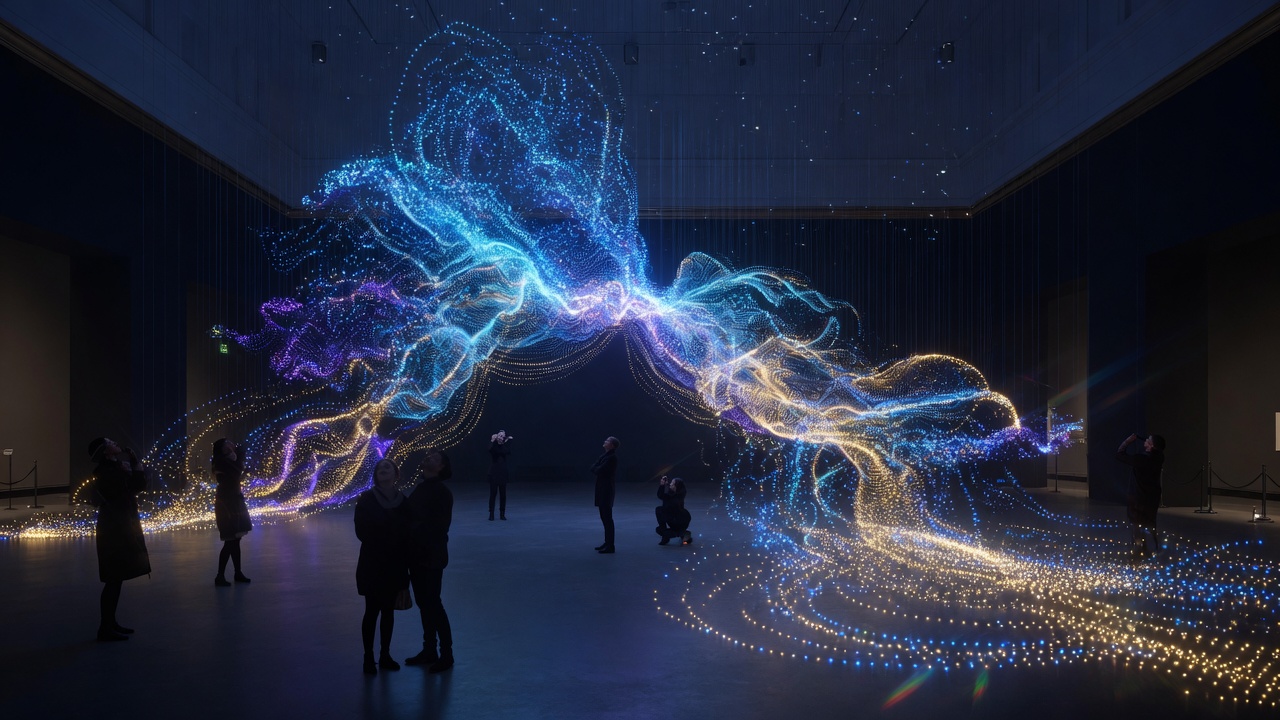
Addressable LEDs for Museums and Art Installations: When Light Becomes the Exhibit Itself
In contemporary art, light itself is the exhibit. Addressable LEDs let artists treat light as paint and paint in three-dimensional space. A look at the creative freedom, shaped wiring, and curatorial-grade reliability of immersive light-art installations.
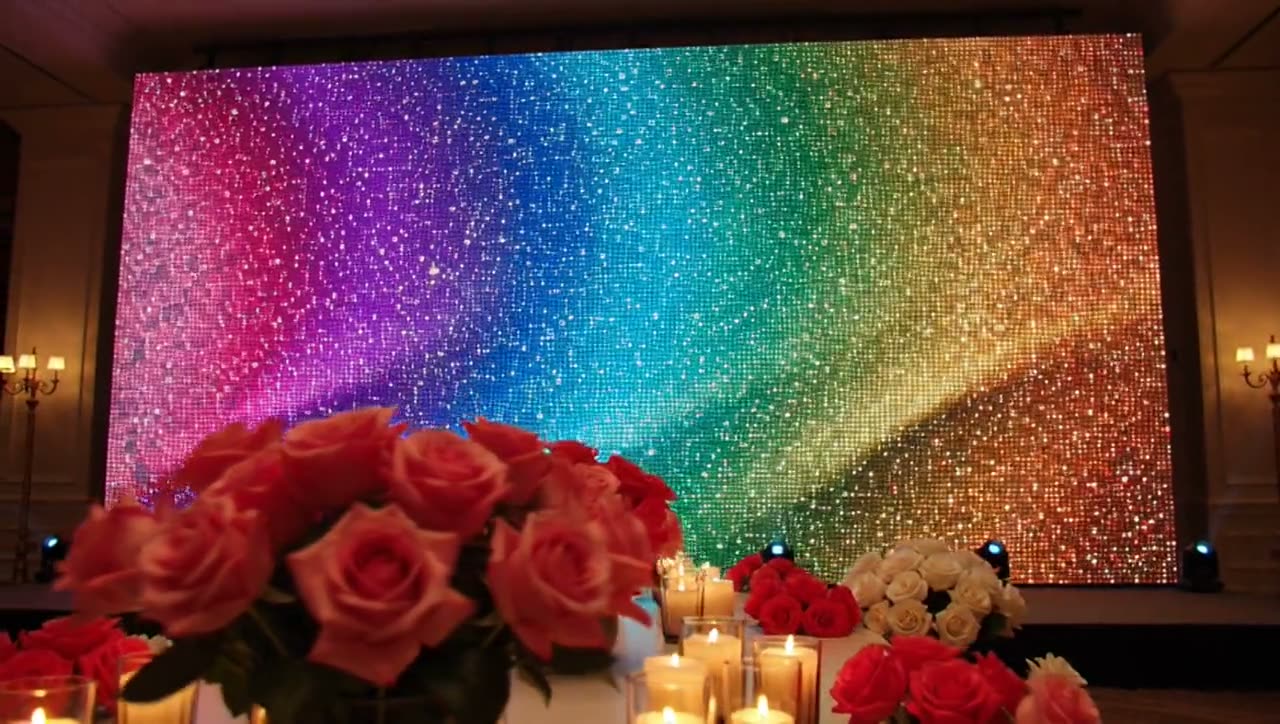
Addressable Lighting for Weddings and Banquets: Turning a Venue into a Breathing Atmosphere
A wedding has its own emotional arc—arrival, ceremony, dining, party. Addressable LED lets lighting flow with the arc, turning a venue into a breathing atmosphere. A look at the engineering and aesthetics of event lighting.
Constant-Current Drive and Efficiency: Why Addressable LEDs Care About Every Milliamp
Why is one string uniform end to end while another dims toward the tail? The answer is in the drive. From the difference between constant-current and non-constant-current, to LM-79, to the efficiency of large-scale strings, a look at pixel-control bead drive engineering.
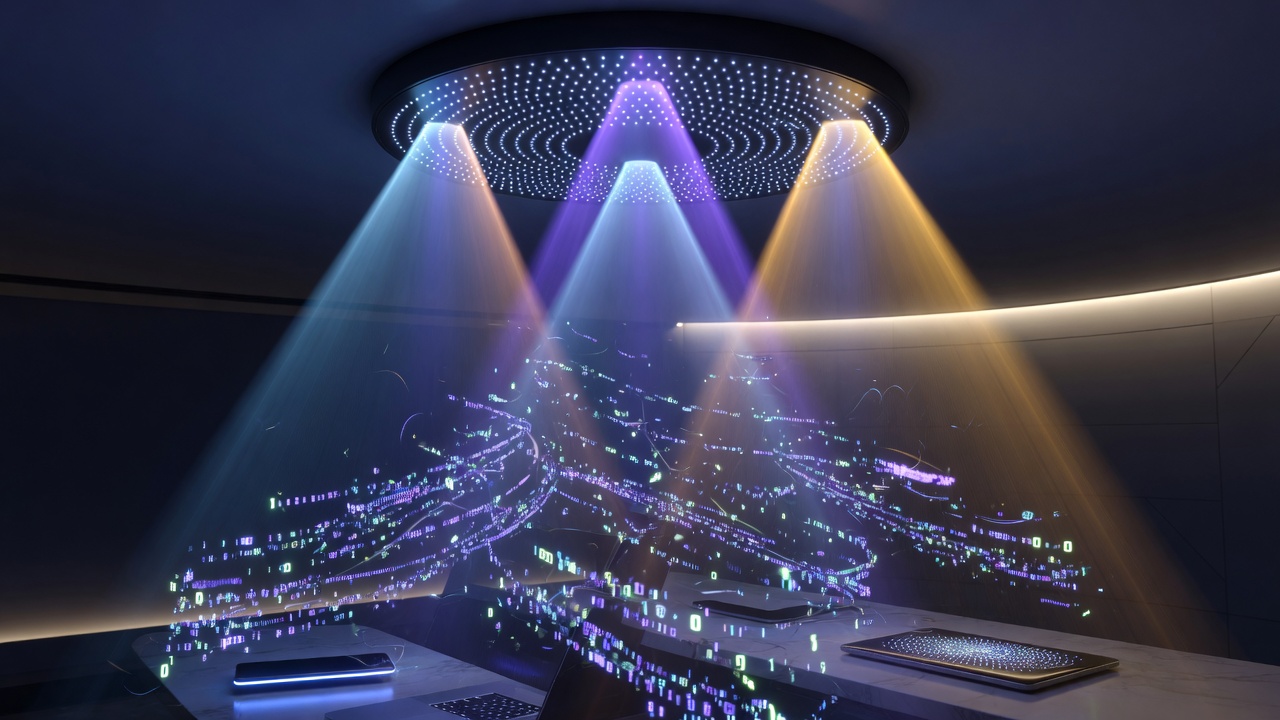
Bringing Christmas Lights into the Smart Home: Integrating Matter, Zigbee, and Wi-Fi Control
Matter, Thread, Zigbee, Wi-Fi—an addressable Christmas string faces a pile of protocols to join the smart home. Sorting out how they divide the work, and how a pixel-control string bridges per-bead effects and smart integration.
How Full-Color Pixels Mix a Good White: The Color-Temperature, CRI, and TM-30 Rendering Engineering
A full-color LED can show tens of millions of colors, but mixing a "good-looking white" is another discipline. From color temperature CCT and the color rendering index CRI to the new-generation IES TM-30 Rf/Rg, a look at the color engineering of RGB white-mixing.
Waterproofing and Protection for Outdoor Light Strings: How to Choose the Right IP Rating (IEC 60529)
What really separates IP65, IP67, and IP68? An outdoor addressable string's protection is measured by the IEC 60529 IP code. A clear guide to reading the code and choosing the right rating for outdoor decorative lighting.
How Long Do LED Pixels Last: Lumen Maintenance, LM-80, and L70 Lifetime Engineering
What does '50,000 hours of life' mean? An LED does not burn out suddenly but dims slowly. From lumen maintenance and the IES LM-80 test, through the L70 projection of TM-21, this article unpacks how LED lifetime is defined and measured.
When a Light Is More Than a Light: Visible Light Communication (IEEE 802.15.7) and the Next Step in Smart Lighting
An LED can flicker fast enough to transmit data while the eye notices nothing—this is visible light communication (VLC). From the IEEE 802.15.7 standard to the role of addressable beads in smart lighting and the IoT, a look ahead at the future of pixel-control LED.
Where Addresses Come From: Laser Trimming and Dual-Layer Fuse Processes in Addressable LED Chips
Where does each chip's address come from? From wafer-level coding with laser-trimmed metal fuses to in-line rewriting with poly fuses, we unpack how dual-layer addressing solves both the cost and the repairability of addressable strings at once.
EMC, ESD, and Surge Reliability Engineering for Addressable LEDs: Keeping High-Voltage Installations Free of Missing Colors and Dead Pixels
Missing colors and dead pixels half a year after installation—the problem often lies not in design but in reliability. From IEC 61000-4-2 (ESD) and IEC 61000-4-5 (surge) to on-chip anti-interference protection, this article unpacks the reliability engineering of addressable LEDs.
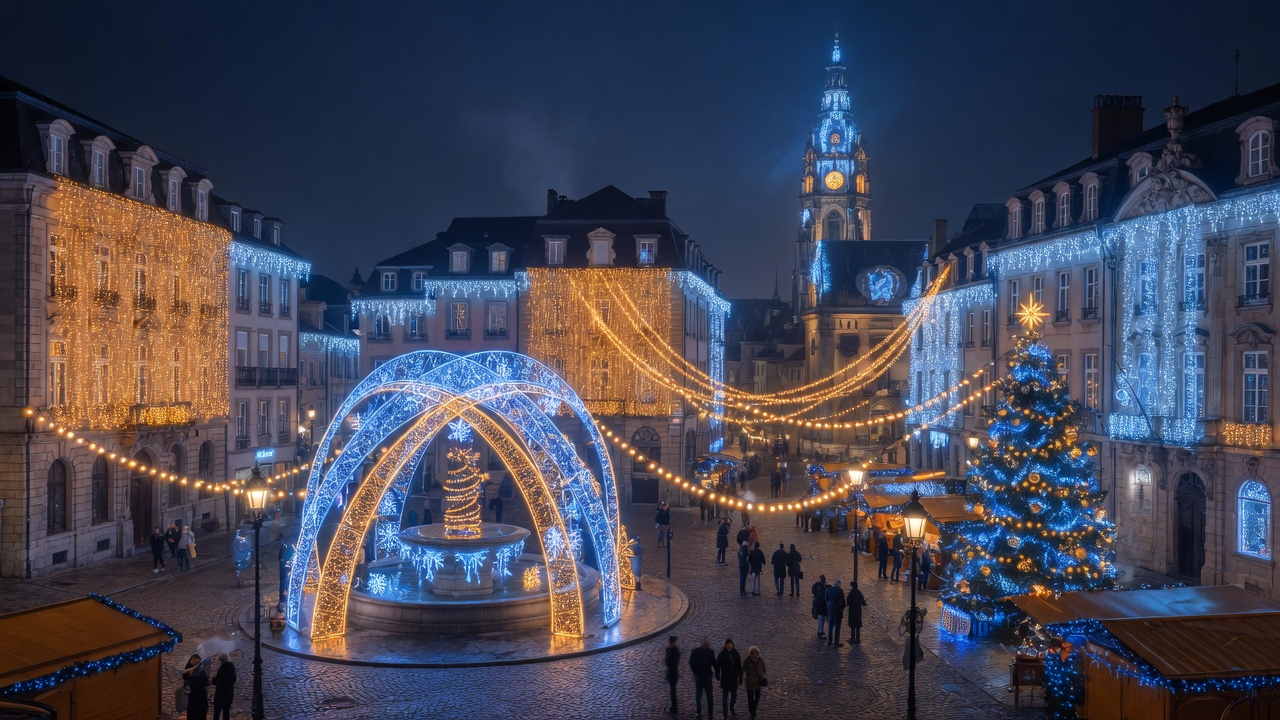
Addressable LEDs for Festive Streets and Retail Windows: The Dynamic Light Engineering of Commercial Spaces
Cross-street decorations and windows that tell a story. How do commercial spaces do festive lighting with addressable LEDs? A look at the engineering of dynamic effect, reliability, and maintenance cost, sitting between home decoration and urban illumination.
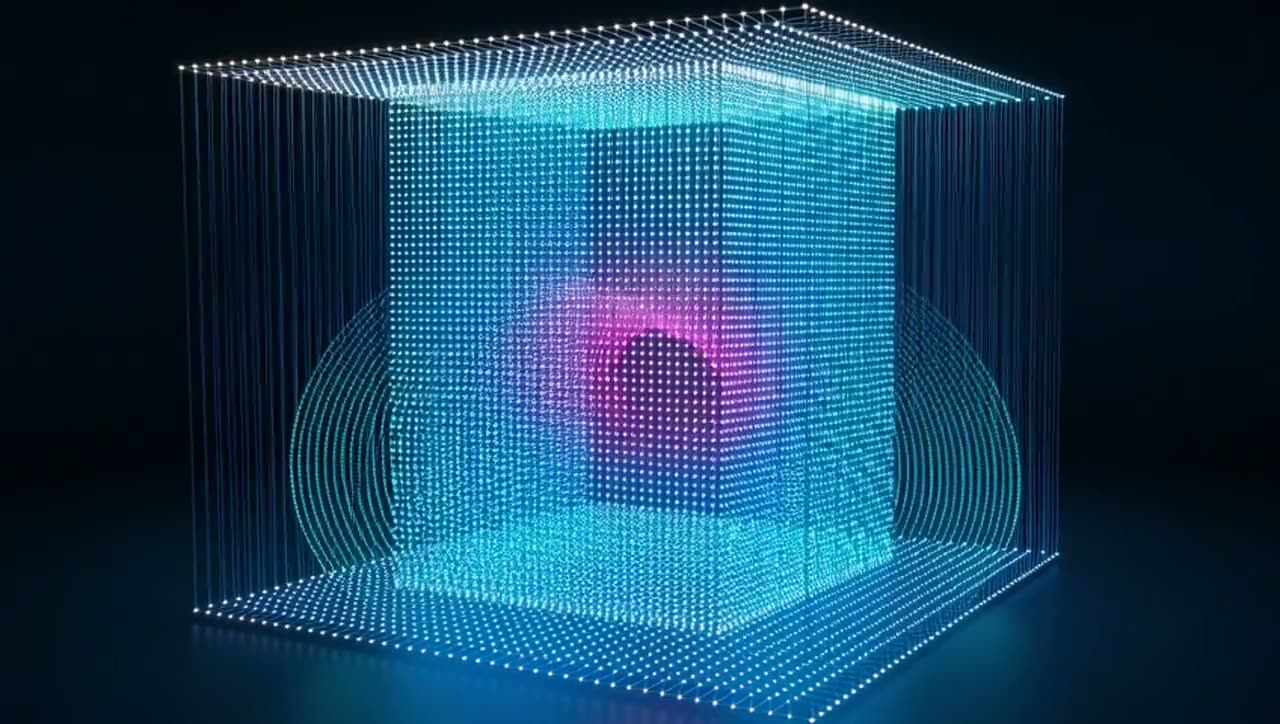
Addressable LED for Theme Parks and Immersive Spaces: Scale, Sync, and Volumetric Light
From plane to volume—how do theme parks and immersive spaces use addressable LED to build 3D light sculptures? A look at the lighting engineering of large-scale distribution, multi-subsystem sync, and volumetric pixel control.
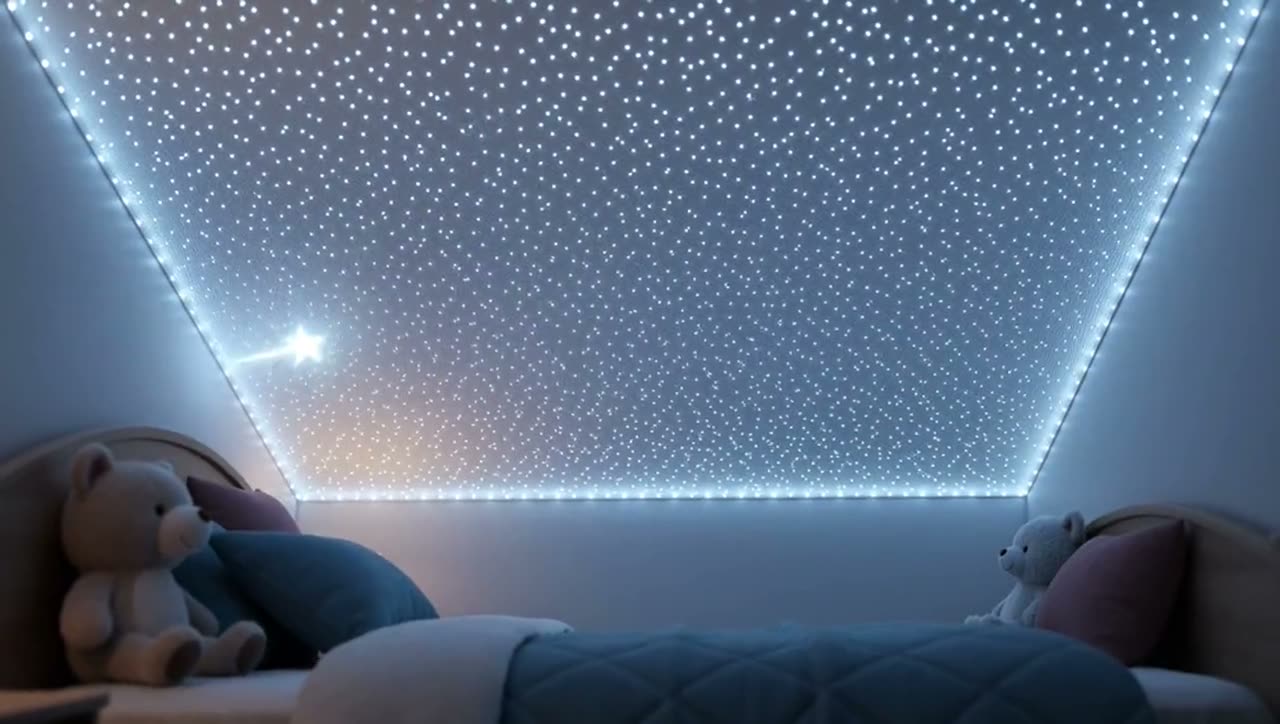
Curtain Lights and Net Lights: The Engineering of Large-Area 2D Addressable LEDs and Pixel Mapping
From one line to a whole surface. How do curtain lights and net lights play large-area 2D patterns? A look at signal interference in twisted bundles, address consistency, pixel mapping, and replaceable repair.
Grayscale, Color, and Flicker-Free Dimming Engineering for Addressable LEDs
Among full-color pixel-control products alike, why do some look cheap and some premium? From PWM dimming and the IEEE 1789 flicker spec, through CIE chromaticity, to gamma correction, this article unpacks the display-quality engineering of pixel-control LEDs.
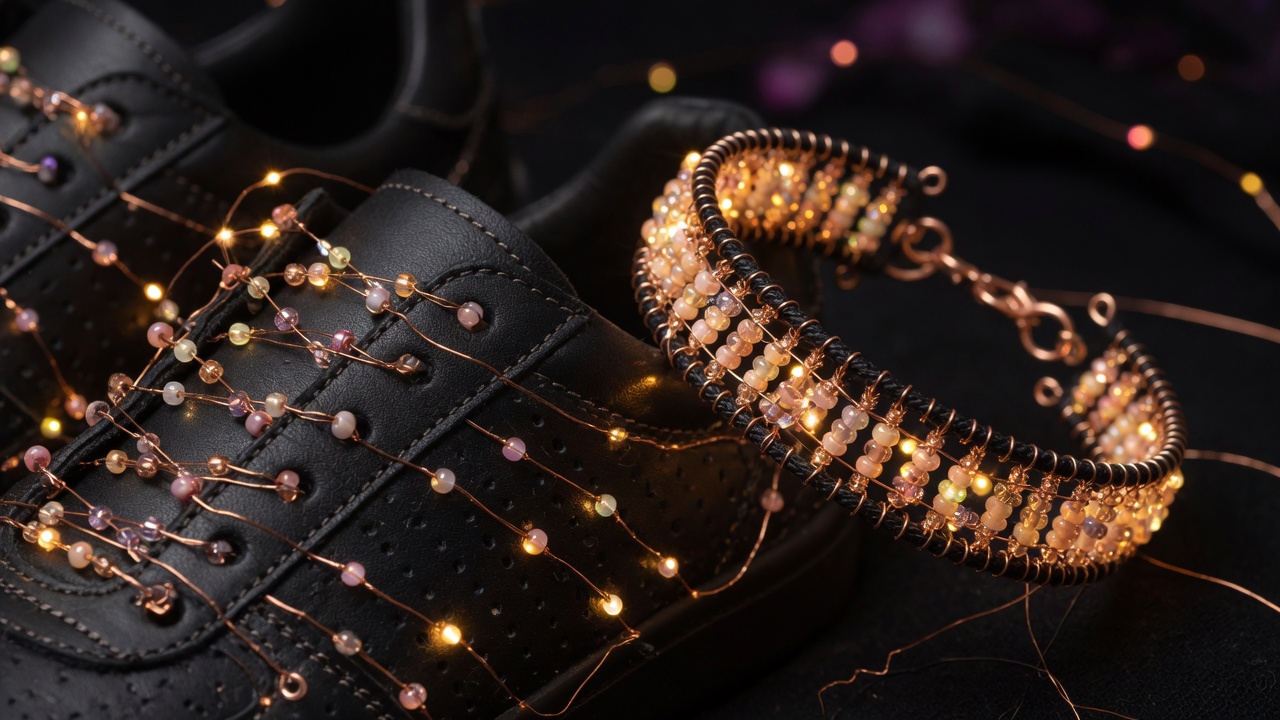
Copper-Wire Lights, Shoe Lights, and Wearable Glow: Automating the Manufacture of Addressable LEDs
Glowing shoes, color-shifting wristbands, motif lights. How do copper-wire lights and wearables mass-produce addressable LEDs? From the pain of fixed-address stocking to dual-layer addressing and automated in-line writing, a look at the manufacturing engineering behind small-format addressable products.
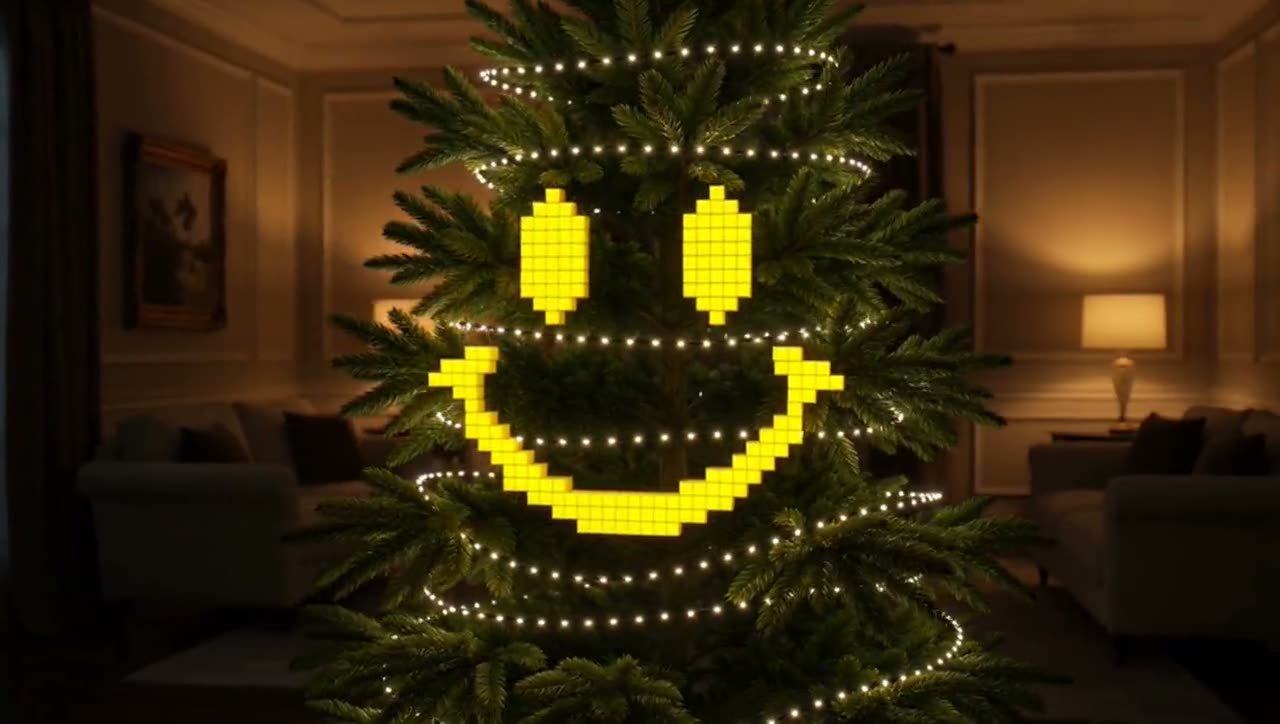
Retail Smart Christmas Lights: The Product Engineering From App Control to Flicker-Free Dimming
How do smart Christmas lights go from decoration to a consumer electronics product? A look at the product engineering of addressable beads, app control, flicker-free dimming, and shelf-ready certification — written for lighting brands and importers.
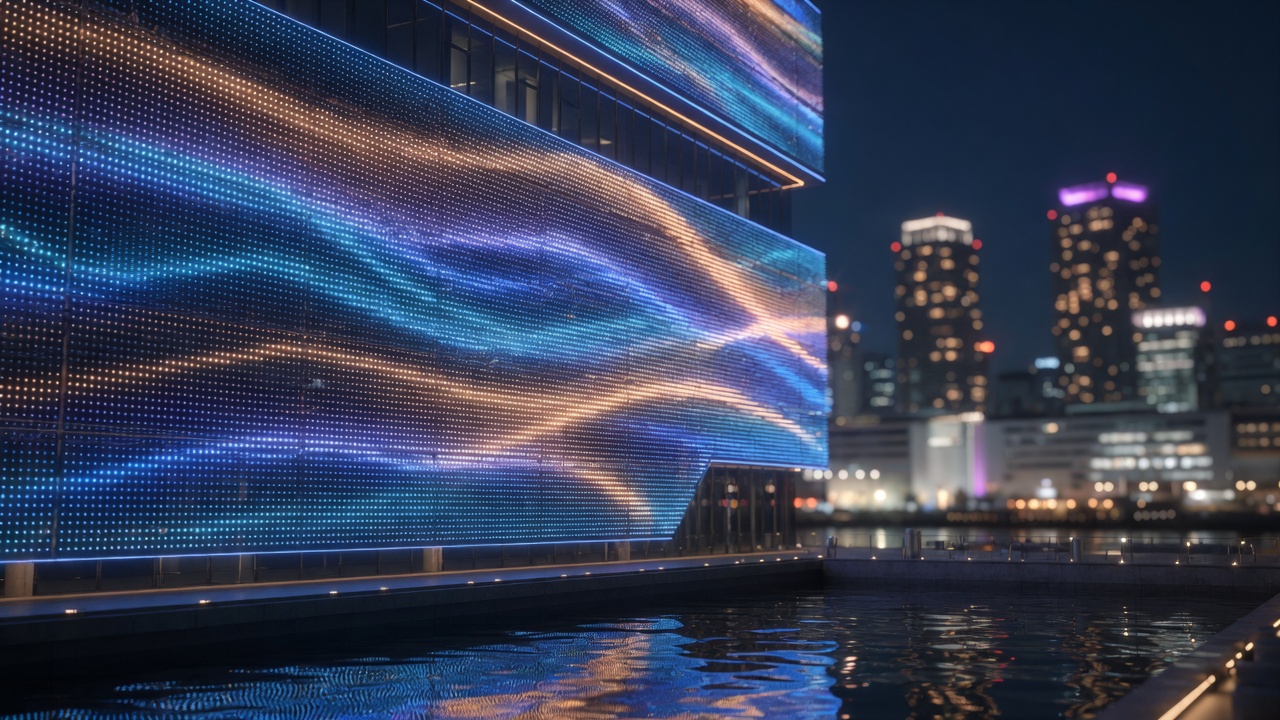
Addressable LED Engineering for City and Building-Facade Lighting: Topology, Reliability, and Operating Cost
How does high-voltage series-parallel lower cabling cost? Where does the physical ceiling on connected beads come from? How does bead-swap repair cut operations? A look at the addressable LED engineering and cost of city and building-facade lighting.
Addressable LED Walls for Large Concerts and Music Festivals: Pixel Mapping, Scale, and the Rhythm of Music
How do tens of thousands of beads dance with the music as one body? From pixel mapping to scaled distribution with sACN and Art-Net, to the real-time mapping of audio-reactive lighting, a look at the lighting engineering of large-scale show visuals.
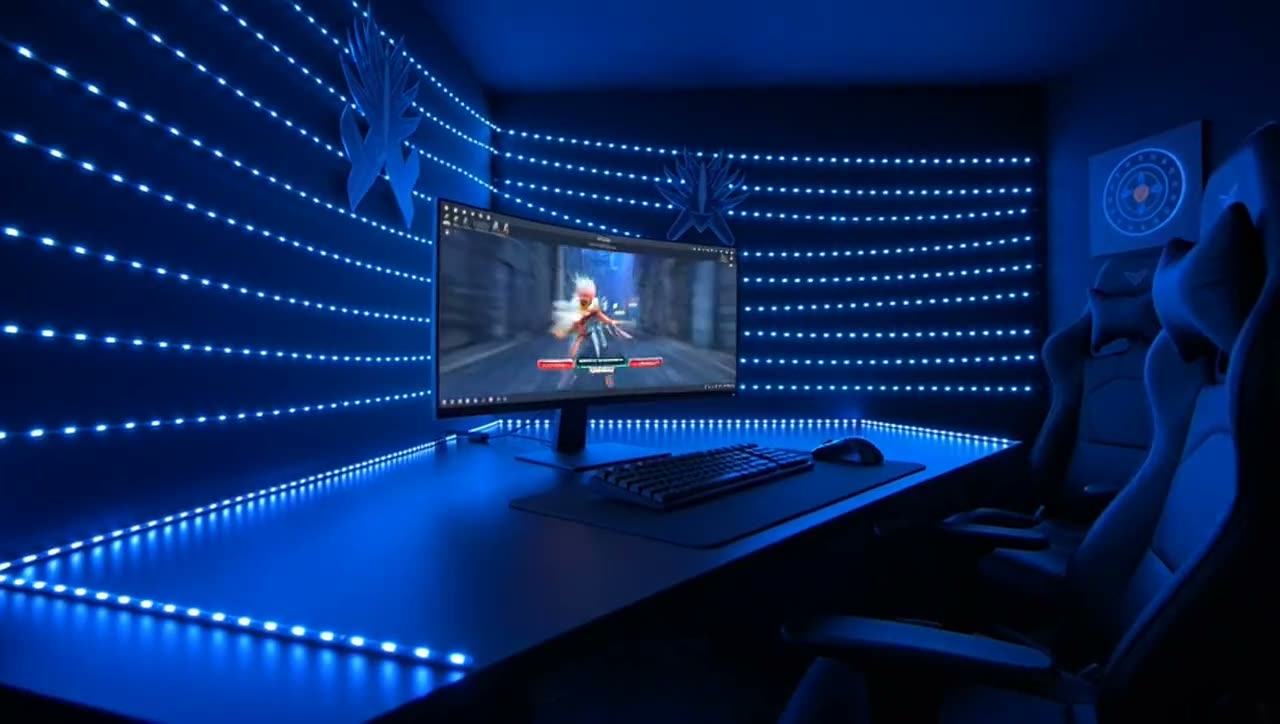
Esports Arena Lighting: Making an Entire Light Wall Erupt with the Game
Kills flash red, abilities sweep blue. How does an esports arena's lighting sync in real time with the game? A look at game-event capture, show control, and the reactive engineering down to addressable LEDs.
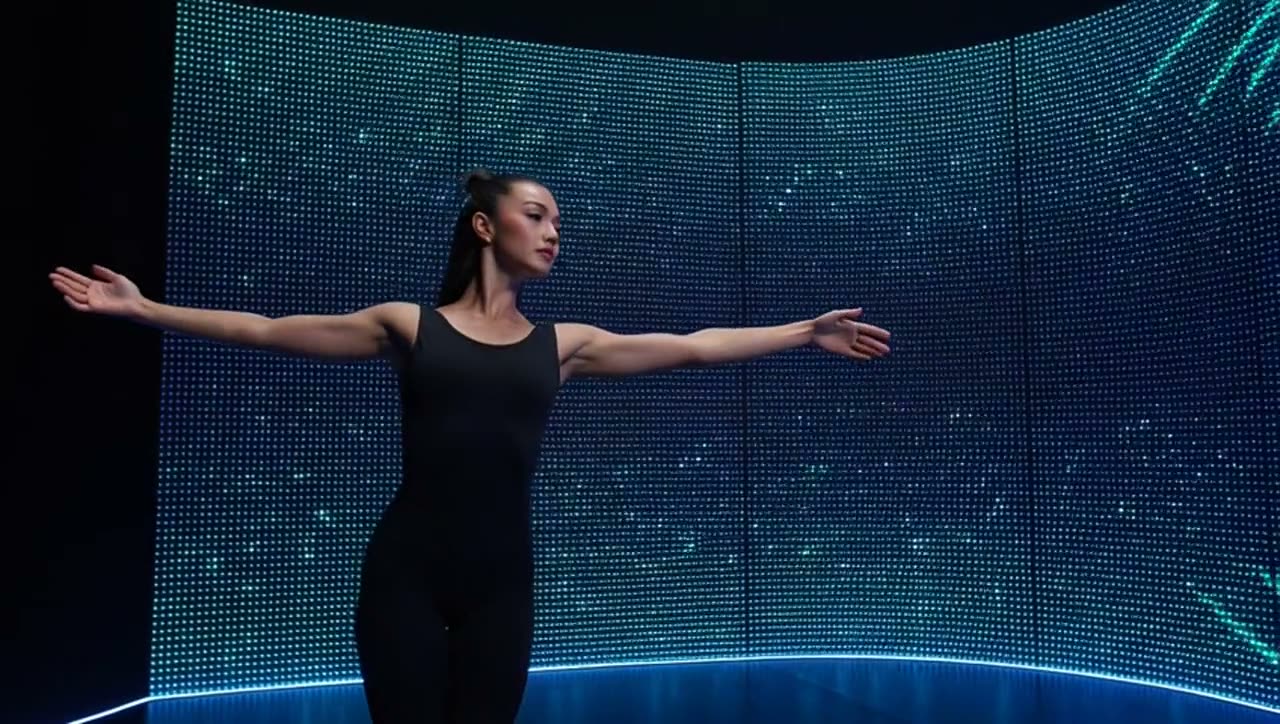
Motion-Capture Interactive Lighting Engineering: Making a Whole Light Wall Dance with the Body
A dancer waves, and the light wall streams a ripple of light in real time. How does motion capture drive addressable LEDs pixel by pixel? A look at the signal chain, latency requirements, and scaling of motion-interactive light installations.
The Two-Wire Question in Addressable Lighting: The Engineering Evolution of DALI, DMX512, and Power-Line Carrier Pixel Control
DALI needs a dedicated control line; DMX512 needs five ports—when a decorative light has only two legs, how is addressability achieved? From IEEE 1901.2 and IEC 62386 to ANSI E1.11, a look at the engineering essence of two-wire carrier pixel control.
Shift Registers, DMX512, and Power-Line Carrier: A Complete Breakdown of the Three Major LED Point-Control Technologies
Why does one dead WS2811 kill the whole string? Why is DMX512 slow? How does power-line carrier achieve independent addressing over just two wires? Essential architecture-level comparison and cheat sheet to read before you choose.
The Decorative Lighting Market Explained: Retail, Professional Projects, Signage, and Copper-Wire Lights
The pre-August shipping rhythm, safety certification thresholds, control-system ecosystems, and the automation turning point in production, understand the rules of the four segments all at once.
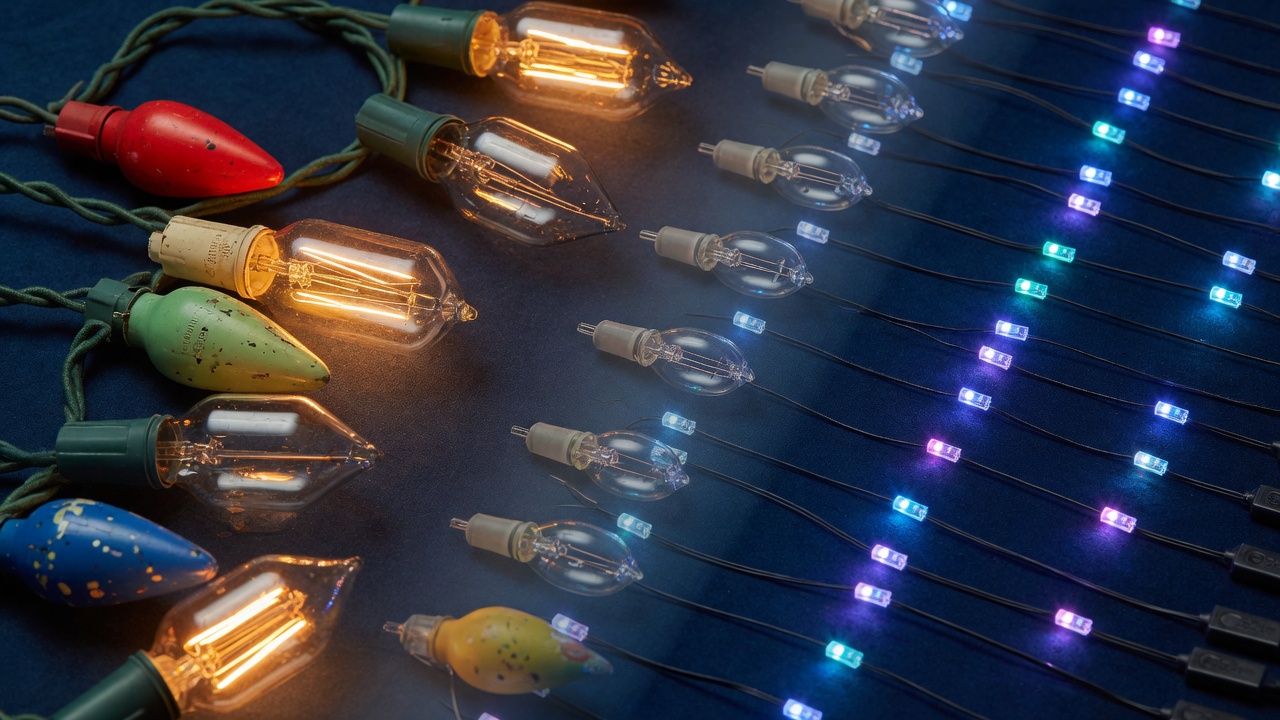
The Technical Evolution of Christmas Lights: From Tungsten Rice Bulbs to Fully Pixel-Controlled LEDs
How does a bead go from 'only able to light up' to 'having its own address'? A complete trace of fifty years and four technical leaps in Christmas lights: rice bulbs, LED replacement, built-in pattern chips, and independently addressable full pixel control.
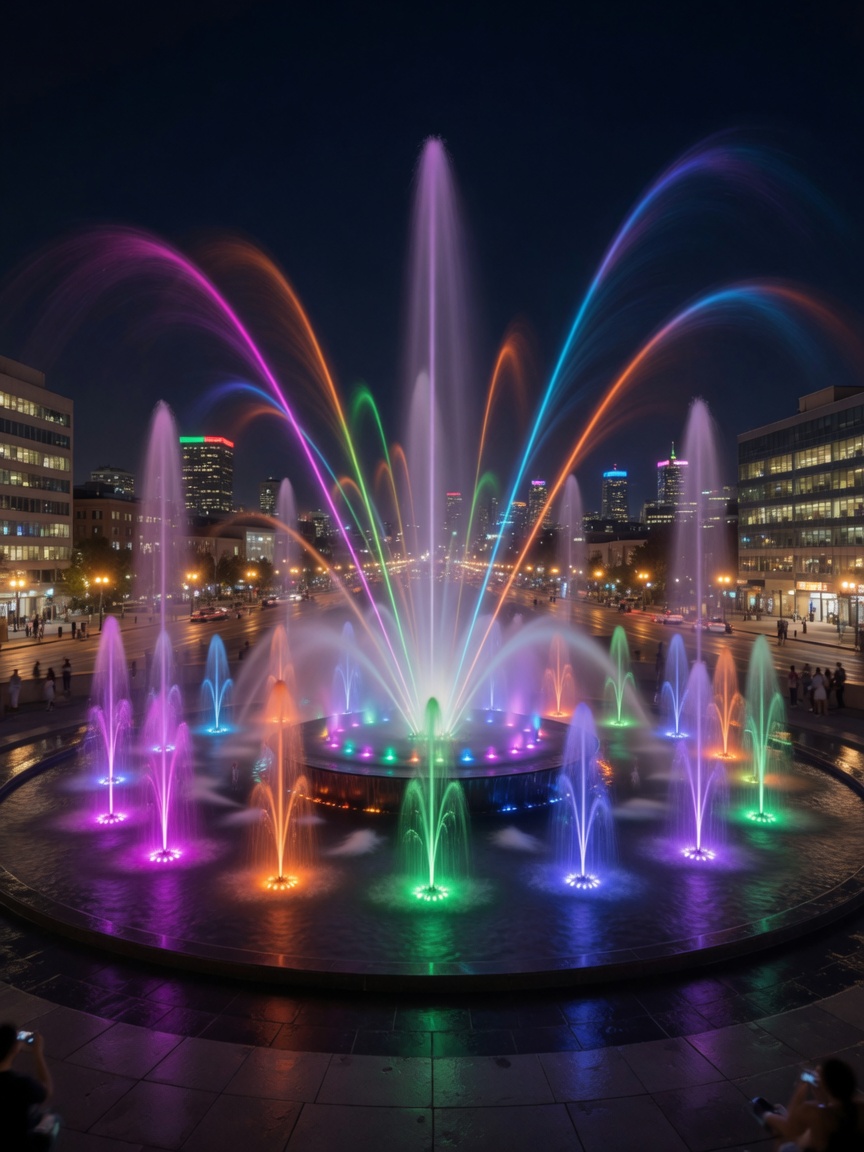
Water Feature and Underwater Lighting: Pixel Control and Electrical Safety Beneath the Surface
For pixel control in fountains, pools, and water curtains, the hard part isn't the effect but safety and reliability underwater. From IP68 waterproofing and SELV extra-low voltage to pool-luminaire standards, a look at the engineering of addressable water-feature lighting.
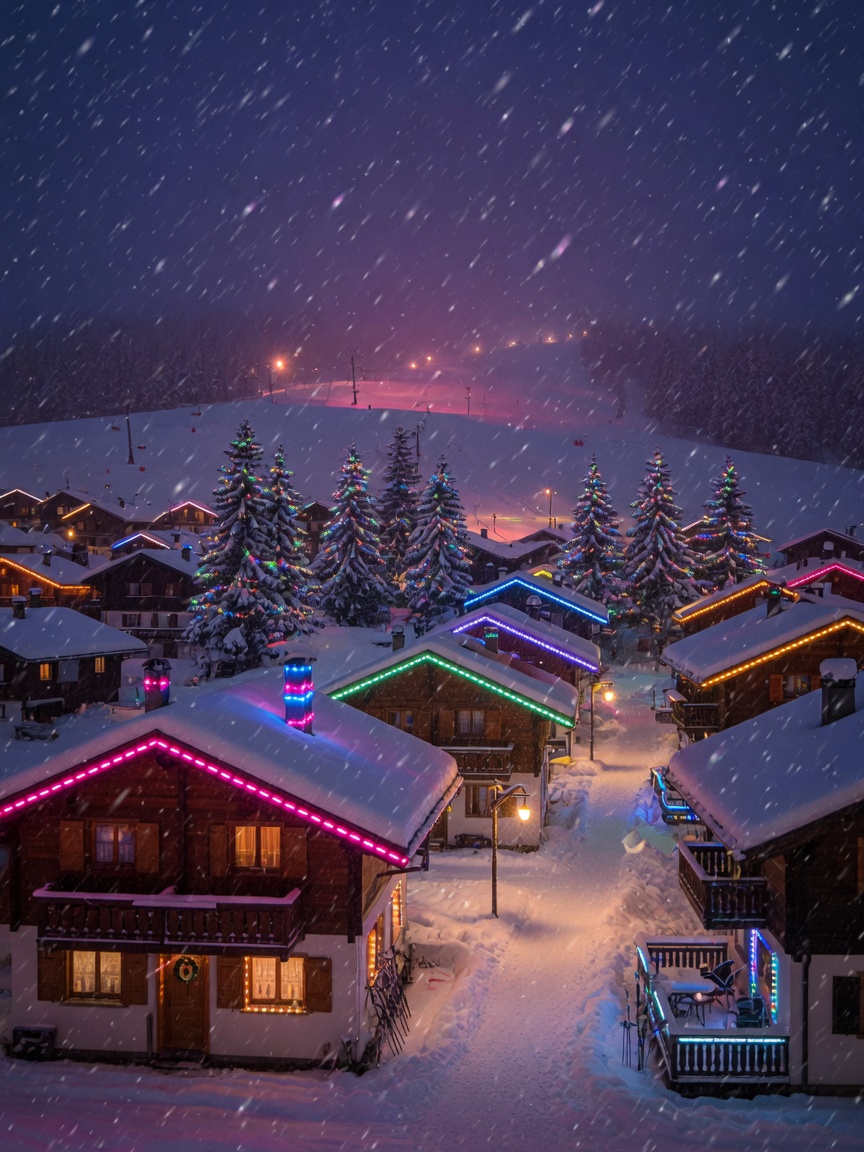
Ski Resorts and Winter Destinations: Addressable Lighting Engineering in Extreme Cold
Chalet rooflines, gondola stations, snow-dusted tree lights—winter resort lighting has to face sub-zero cold, snow load, ice, and impact. The cold actually helps the LED; what turns brittle is the wiring and the seals. A look at the reliability engineering of winter lighting.
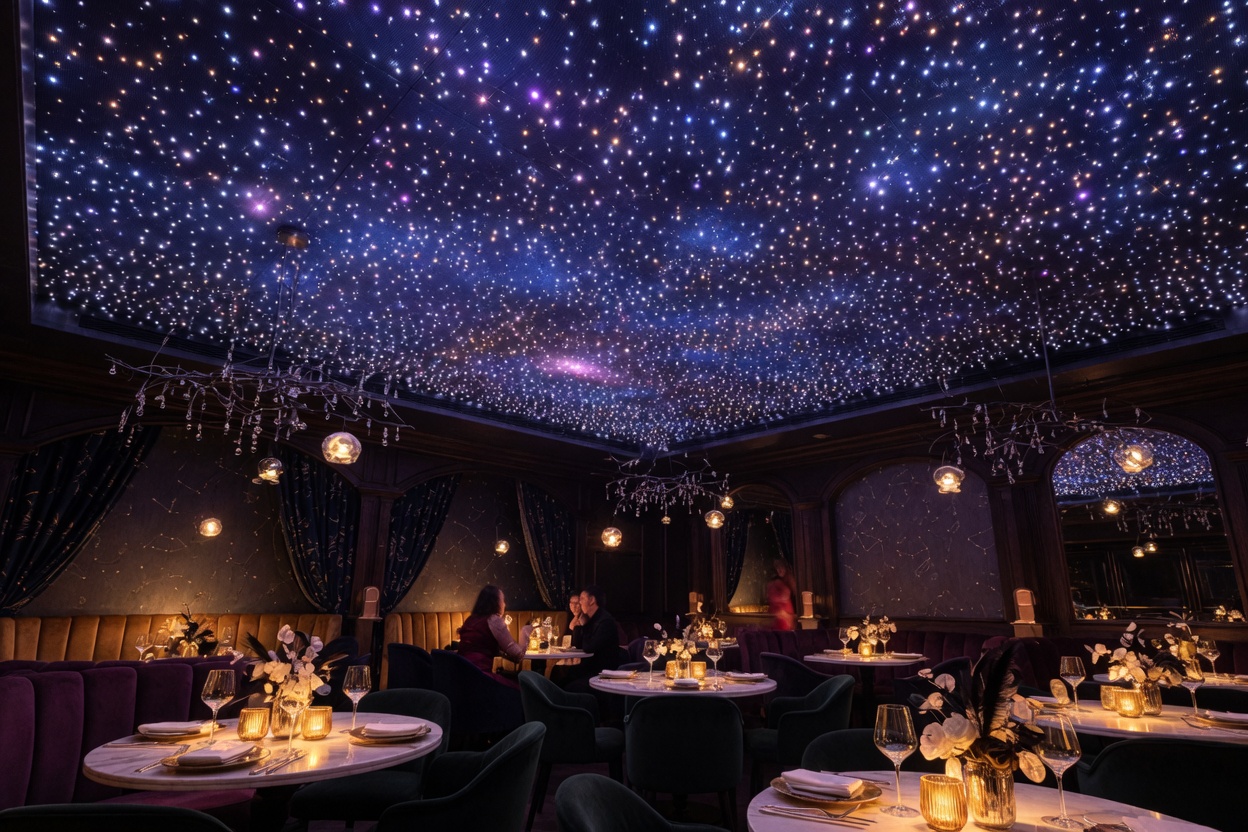
Immersive Dining Lighting: Star Ceilings, Scene Light, and the Color-Rendering and Flicker-Free Engineering Behind 'Photogenic' Food
Star ceilings, scene light, private-room theme switching—immersive dining lighting has to be flicker-free for photos, flatter food with good color rendering, and stay comfortable without stealing the scene. From IEEE 1789 and TM-30 to EN 12464, three quality details of dining lighting.
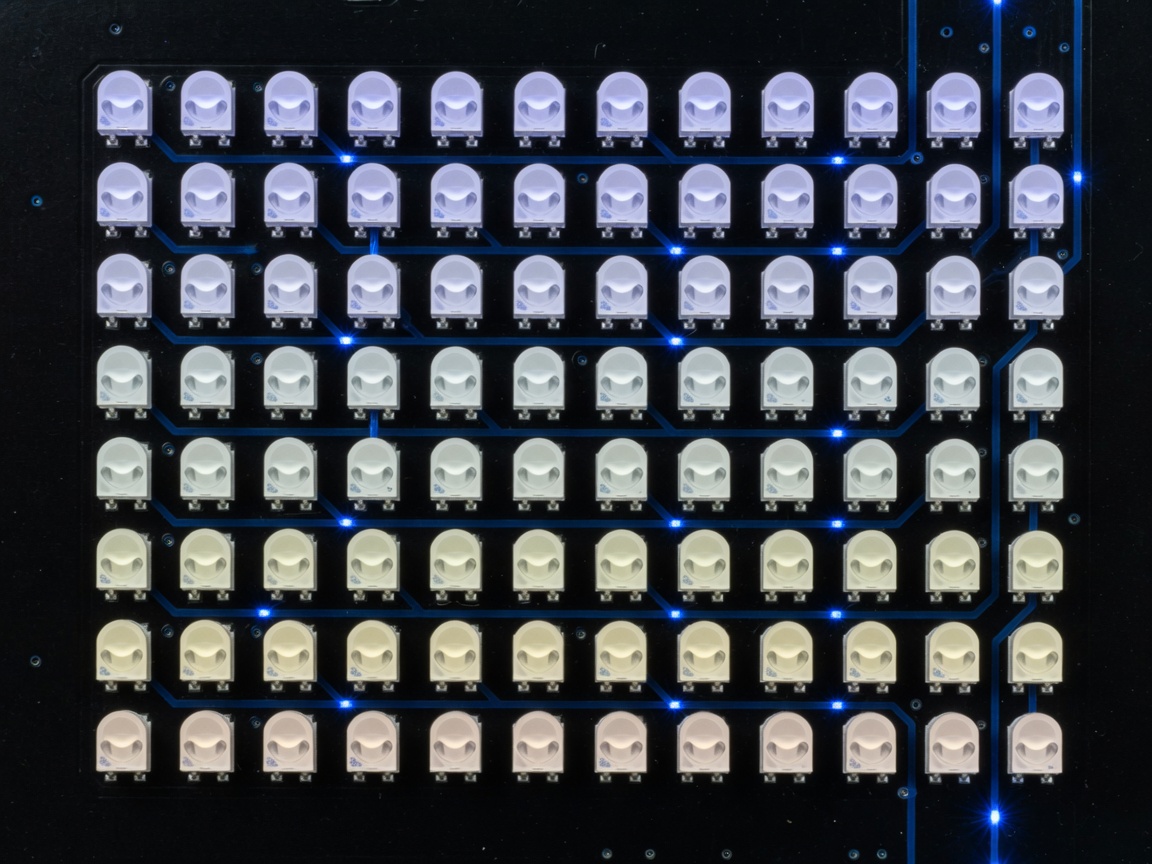
LED Binning and Color Consistency: Quantifying Color Difference, MacAdam Ellipses, and White-Light Chromaticity Specs
Why does one batch of pixels show color differences? From LED binning, MacAdam ellipses, and SDCM color tolerance to the ANSI C78.377 white-light spec, this article unpacks how color consistency is quantified—and the 'whole-string consistency' quality requirement of addressable strings.
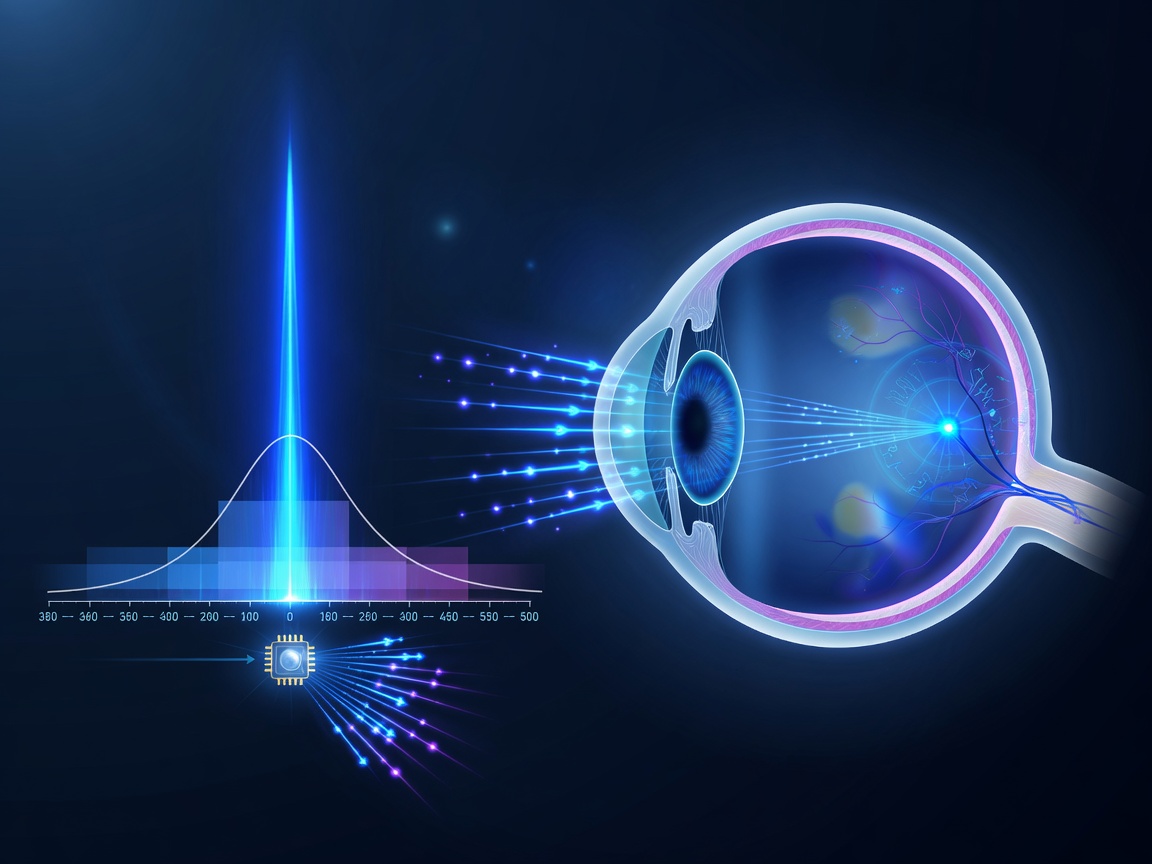
Photobiological Safety and Blue-Light Hazard: The Risk Groups of IEC 62471 and What They Mean for Decorative Lighting
Is LED blue-light eye damage real? From the IEC 62471 risk groups RG0–RG3 and the definition of blue-light hazard to the meaning of the RG0/RG1 ratings common in decorative lighting and the cautions around children viewing at close range — a look at photobiological safety.
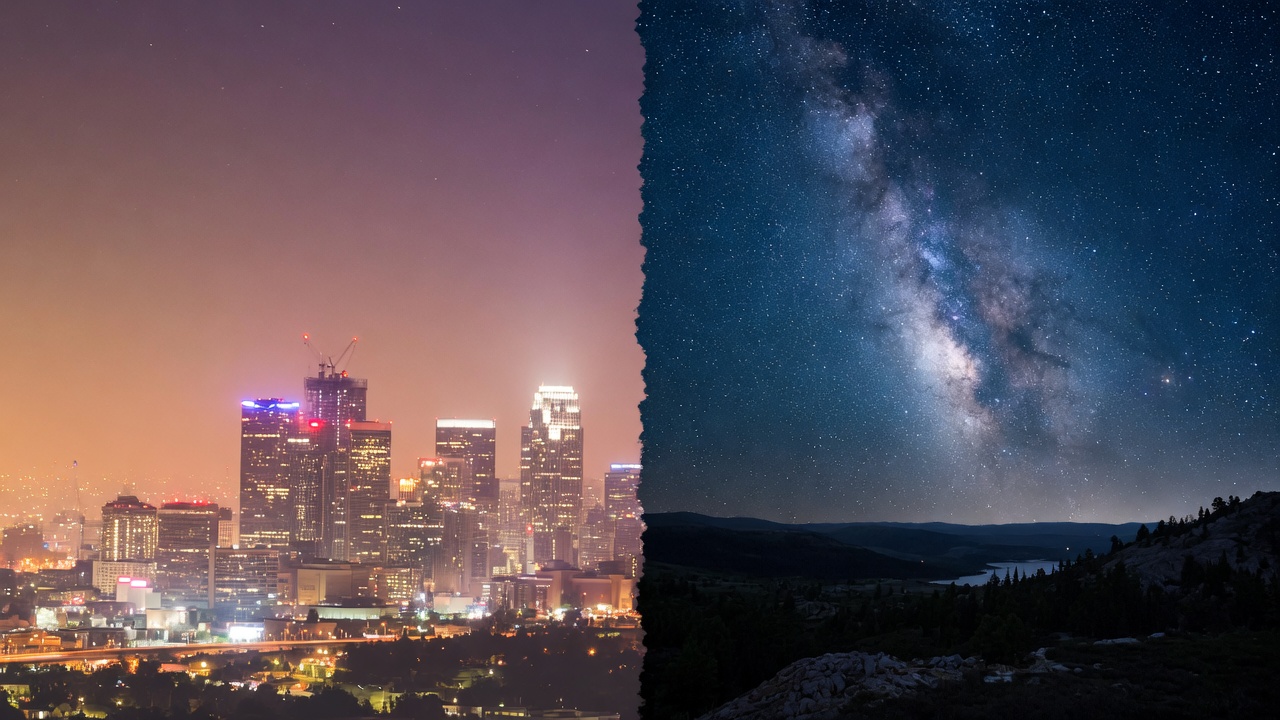
Light Pollution and Dark-Sky-Friendly Lighting: The Other Side of Urban Illumination
The brighter the city, the darker the sky. Uplight, glare, and light trespass erase the stars and disrupt ecosystems. From CIE 150 to the five principles of responsible outdoor lighting, see the dark-sky movement, and why "dimmable, switchable, schedulable" is a dark-sky-friendly tool.
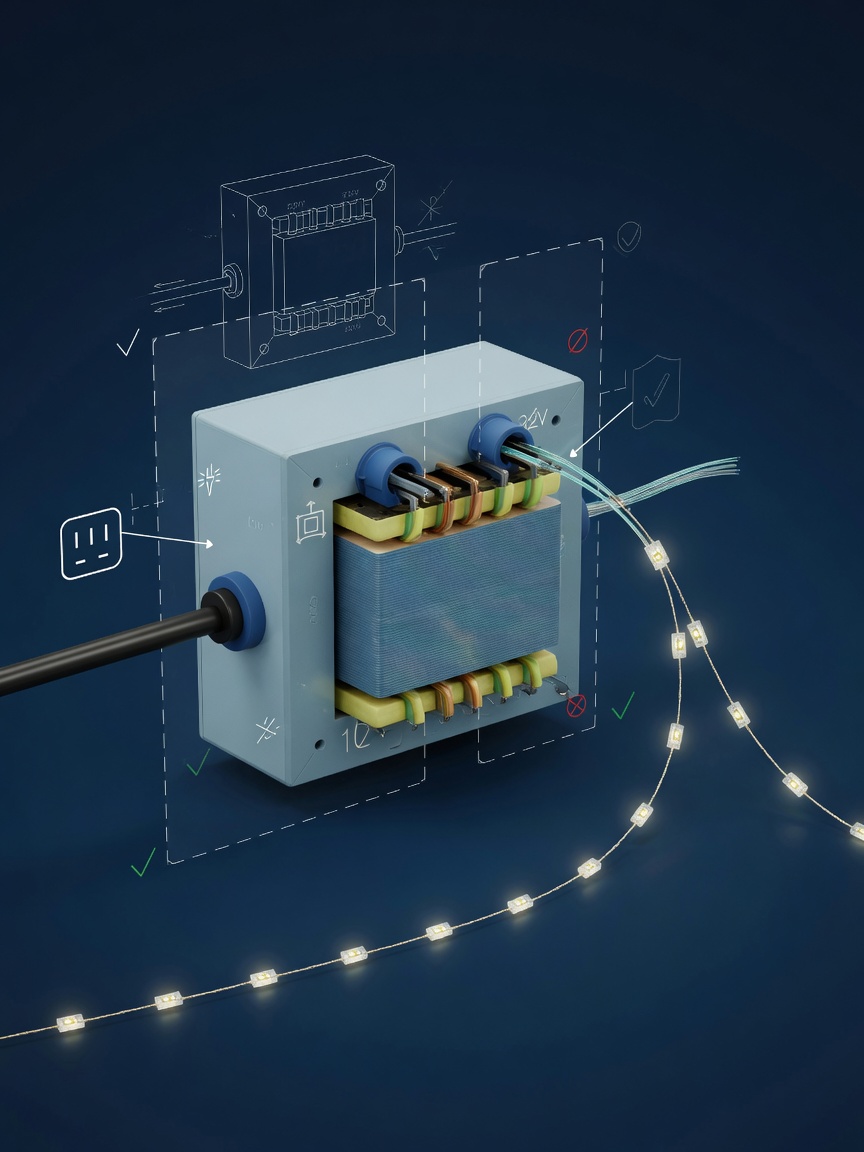
SELV and Class III: Why Christmas Light Strings Favor the Extra-Low-Voltage Route
Why do most Christmas light strings use a transformer to step down to low voltage? From extra-low-voltage SELV and the IEC 61140 protection classes 0–III to the role of the safety isolating transformer — an honest comparison of the extra-low-voltage and high-voltage AC routes.
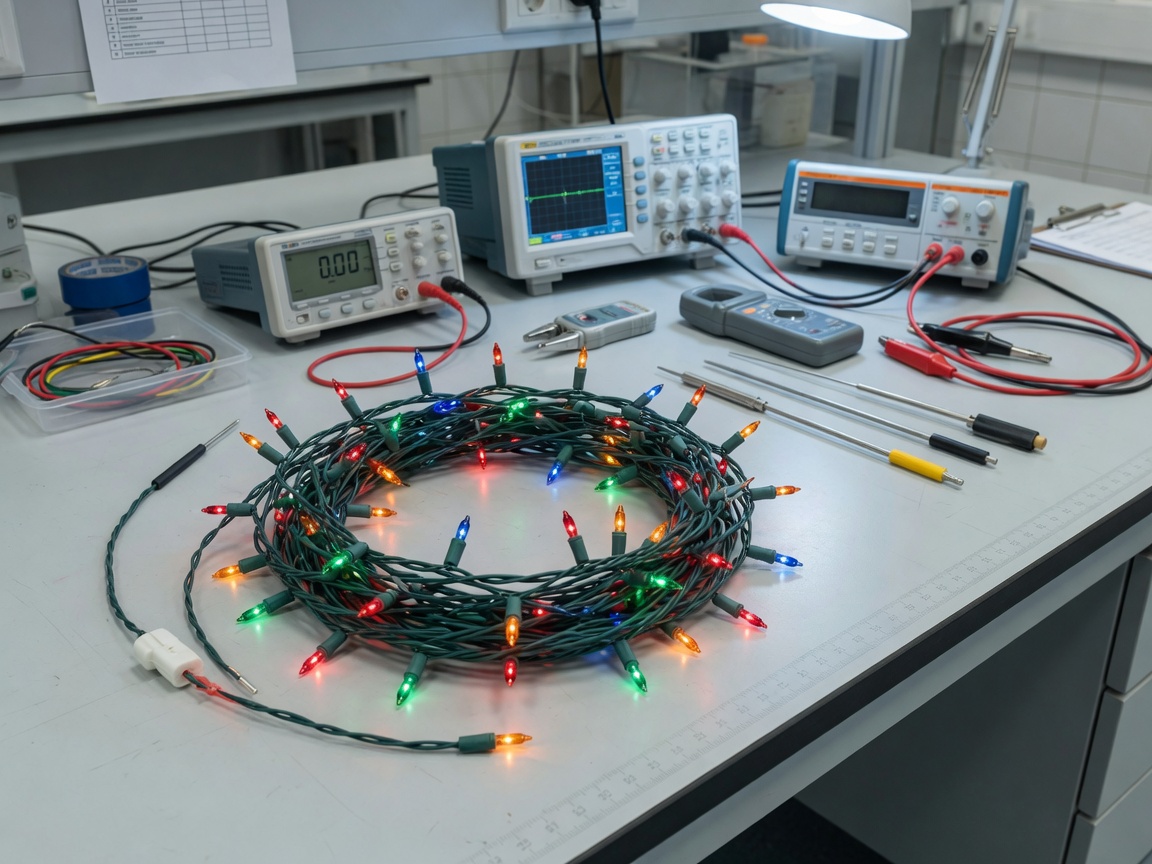
UL 588 and North American Seasonal Lighting Safety: The Christmas String's Ticket into North America
For a Christmas string to enter North America, UL 588 is all but unavoidable. From scope, 120V, and the 90-day usage positioning to Canada's counterpart CSA C22.2 No. 37, what North American seasonal lighting safety means in practice for export manufacturers.
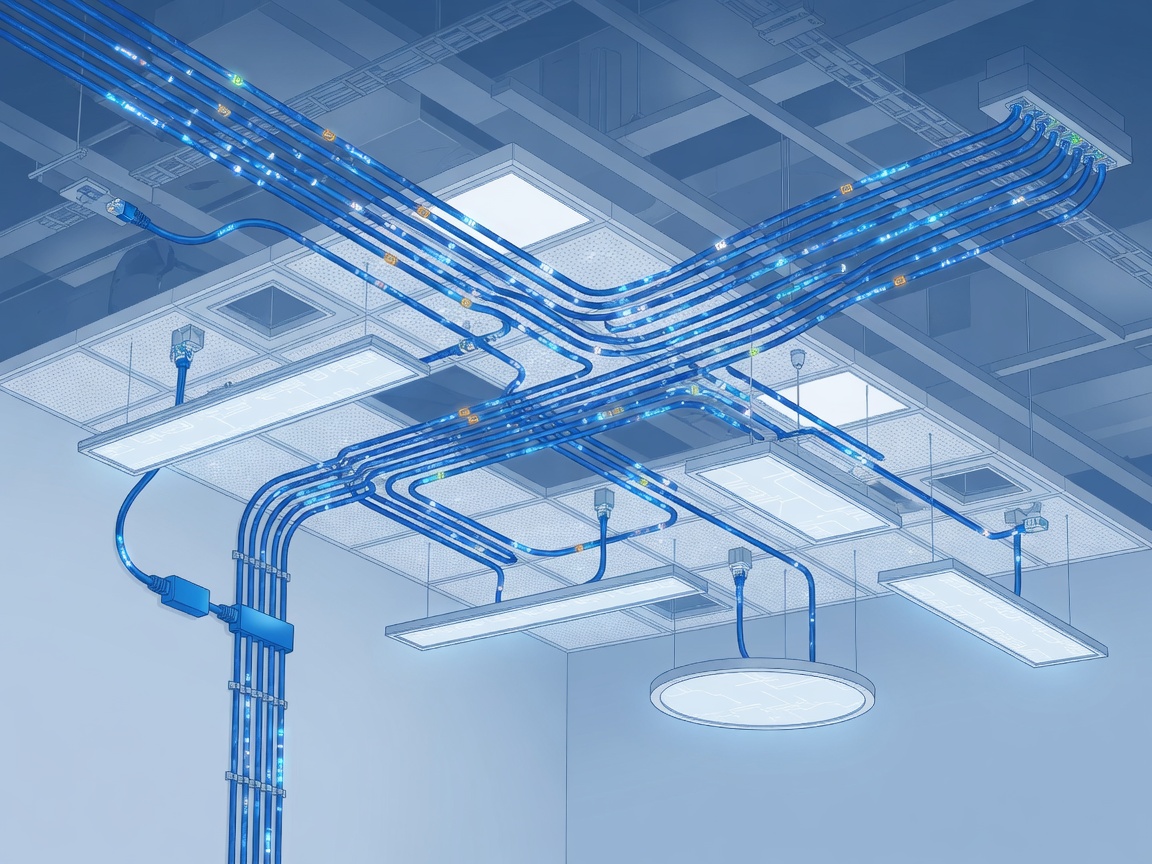
PoE and Low-Voltage DC Lighting: Delivering Power and Data Over a Single Network Cable
A single network cable carrying both power and data, PoE merges power and data into one. 90W opens up possibilities for low-voltage DC lighting, yet with boundaries of distance and power. From IEEE 802.3bt to the shared 'less wiring' philosophy.
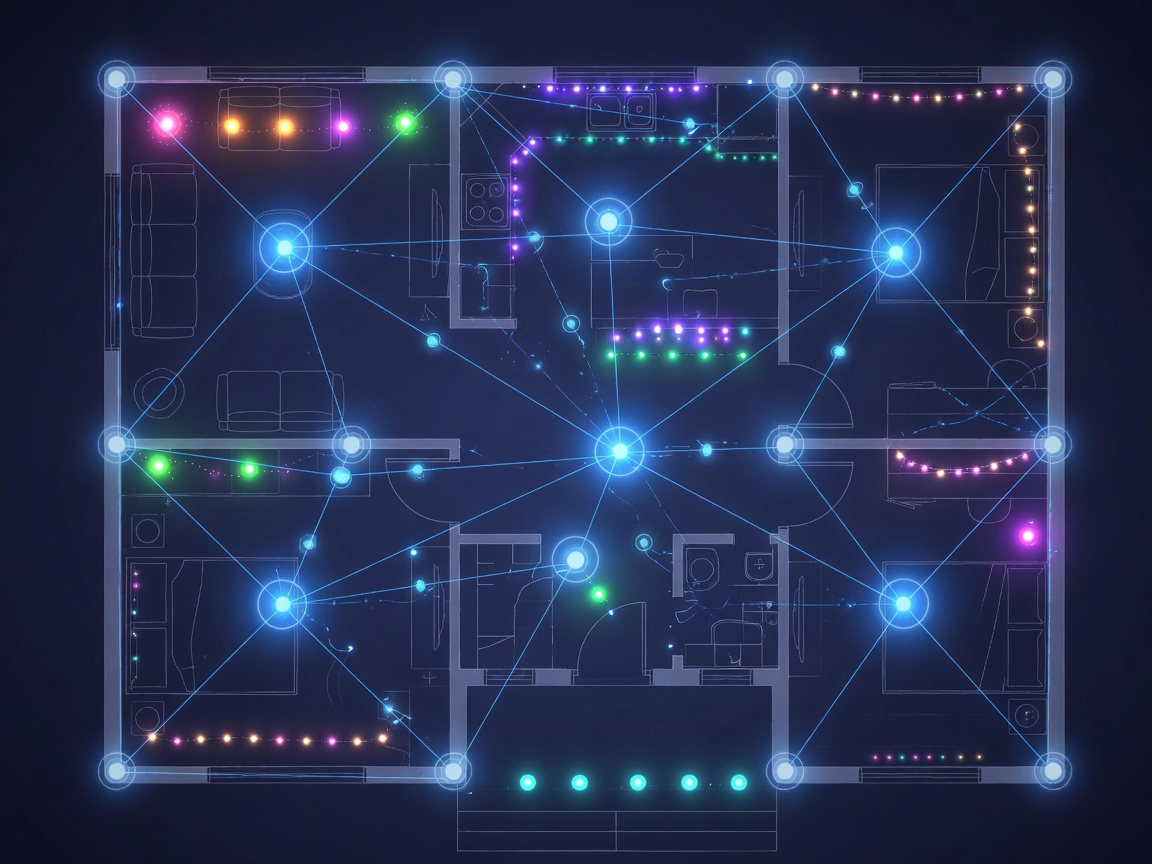
Bluetooth Mesh Lighting Control: Why a Many-to-Many Wireless Network Suits Group Control, Not Per-Bead Pixel Control
How does one signal spread across hundreds of lights? Bluetooth Mesh uses managed flooding to relay messages hop by hop, forming a many-to-many wireless network. See why it excels at group control yet is unsuited to per-bead pixel control.
From Private Label to Your Own Brand: The Road to Building a Smart-Lighting Brand, and Which Parts a Solution Partner Can Carry
Moving from private label to your own brand: what to own yourself, and what to hand to a solution partner? A breakdown of how the work divides in smart-lighting branding, and how a full-chain solution compresses time-to-market from eighteen months to a single quarter.
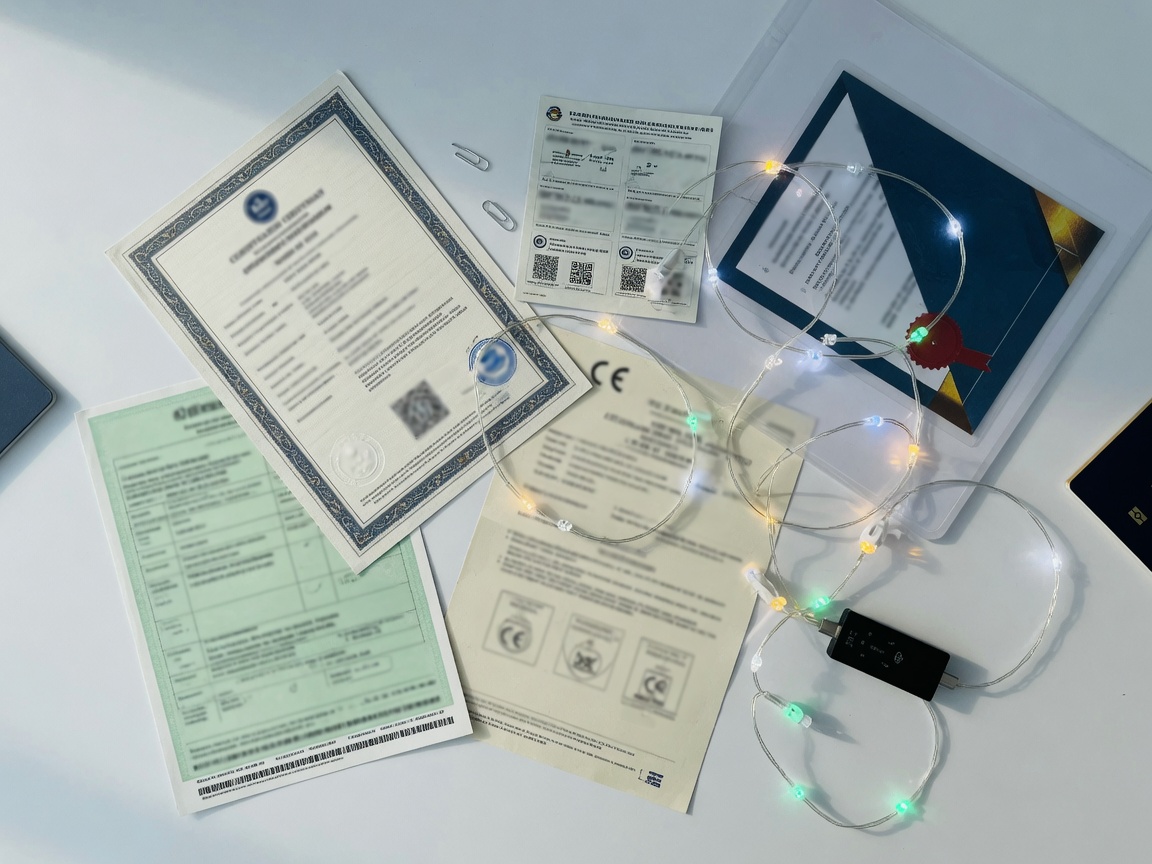
The Complete Compliance Checklist for Western Retail: The CE Four-Pack, North American UL/ETL Plus FCC, and California Proposition 65
Which compliance does a smart-light have to clear for Western retail? From the CE four-pack to North American UL/ETL, FCC Part 15 and California Proposition 65, an item-by-item look at what each is, who is responsible, and where a solution partner can help.

The Patent Landscape of Addressable Lighting: The Delisting and Litigation Risk Importers Overlook Most, and How to Avoid It
Addressable light strings sit in a minefield of patents in the West, and it is the pitfall importers overlook most. A breakdown of the control-method, address-programming and bead-structure patent types of pixel-control strings, and how a 'fully licensed solution' avoids delisting and litigation.
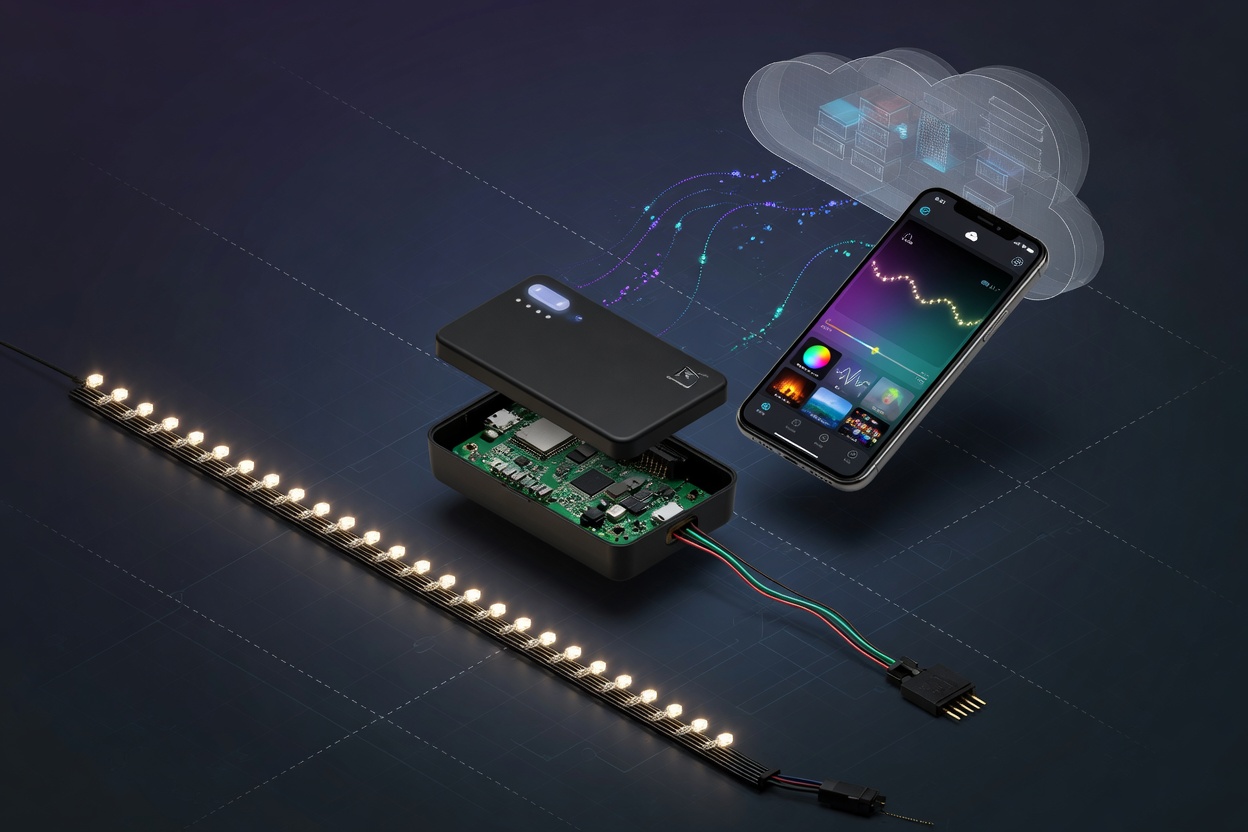
The Technology Stack of a Smart-Light Product: The Layered Architecture from Addressable Bead to Controller to App and Cloud
A smart-light stacks four layers: bead, controller, app, cloud. Each is a discipline of its own. Working out which layer is your brand value and which can be outsourced to a solution partner is the key to shipping the product without burning your budget.

The Supply-Chain Clock of Festive Lighting: From Sampling to Sailing Date, the Brutal Timetable of a Seasonal Business
Christmas lighting sells once a year; miss the sailing date and wait until next year. Q1 sampling, Q2 ordering, ship before August, Q4 sell out or sit unsold—this clock waits for no one. An automated address-writing line and stable IC supply decide whether you keep up.
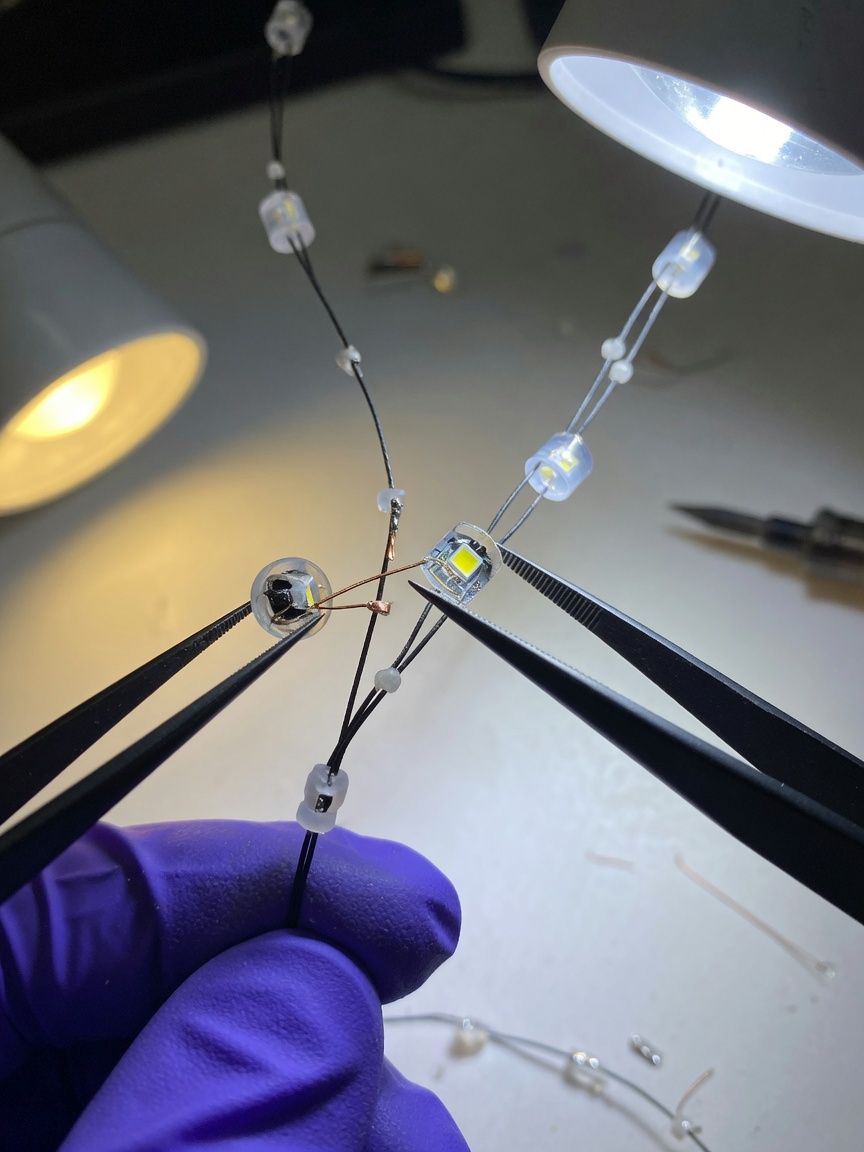
The Brand Economics of Failure Rate: From PPM to Returns, and the Aftermarket Value of Replaceable Pixels
'A defect rate of 200 PPM' sounds abstract, but multiply it by shipment volume and return costs, then by the damage of a bad review, and it becomes a painful bill. Failure rate is brand economics—this is how the bill adds up.
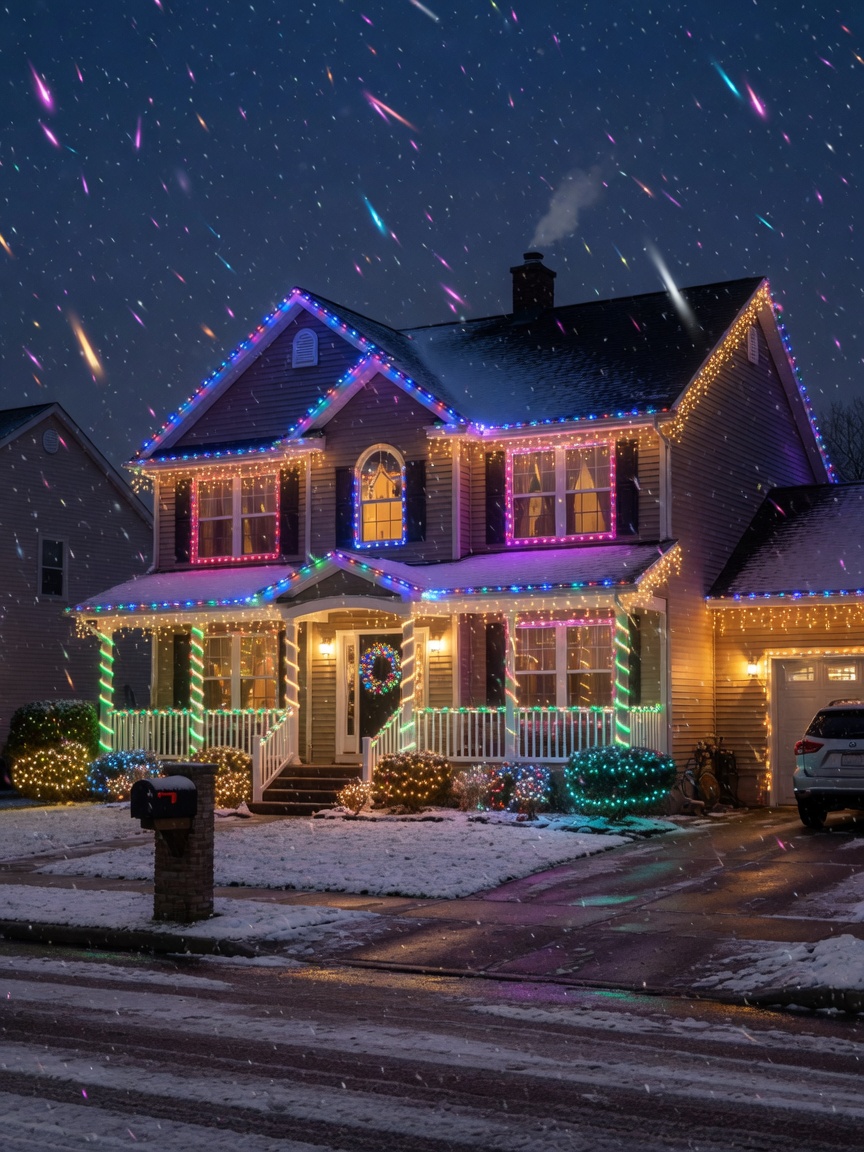
Engineering Requirements for Outdoor Christmas Products in Europe and North America: A Design Checklist From IP and IK Ratings to Light-String Safety Standards
Outdoor Christmas lights face rain and snow, cold, UV, and each country's safety rules. From IP waterproofing and IK impact resistance to light-string-specific safety standards and low-temperature reliability—an engineering checklist for private-label outdoor products.
Reading the Certification Marks on the Box: CE, UKCA, UL/ETL, FCC, and GS Made Clear
CE, UKCA, UL, FCC, and GS all look like they mean 'safe,' but their legal standing differs. A certification map that separates legal prerequisites, channel requirements, and trust bonuses—for brands entering European and North American retail.
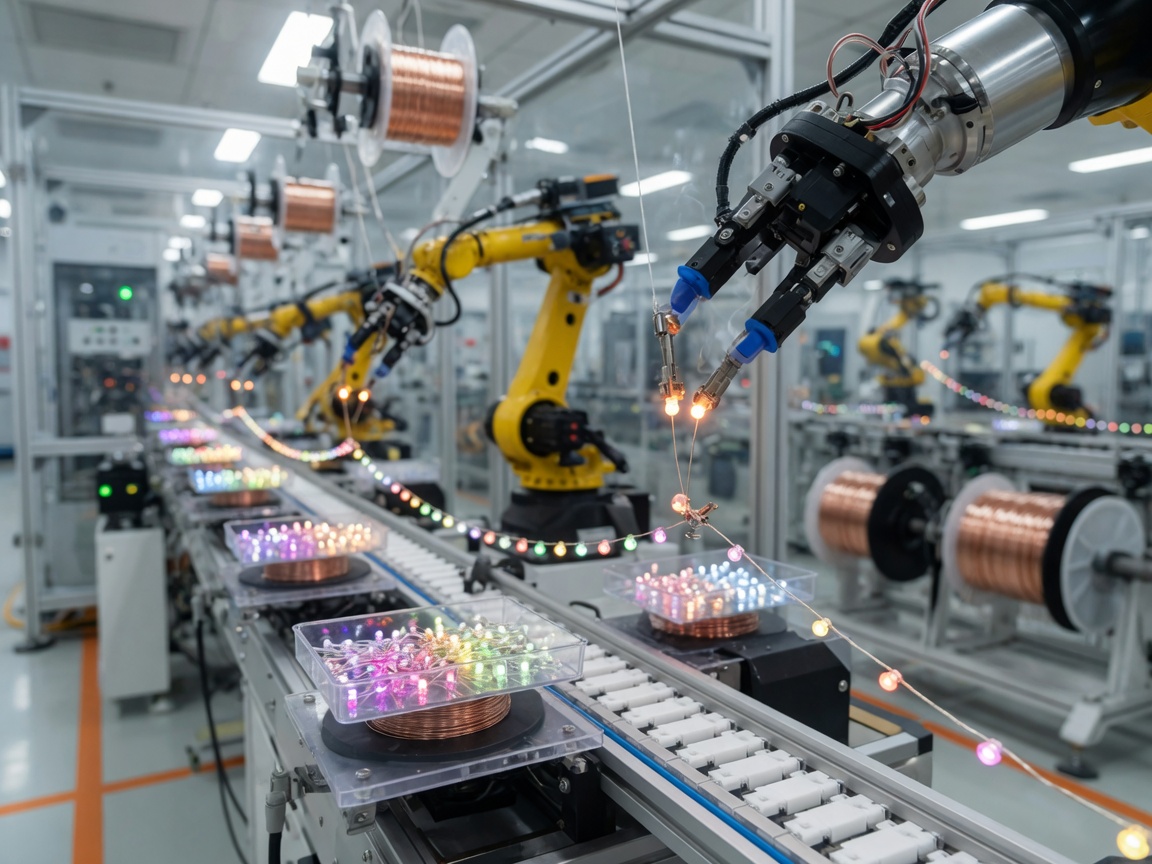
From Prototype to Mass Production: A Milestone Timeline for First-Time Smart-Light-String Brands
From sample evaluation, engineering verification, and certification testing to production ramp-up and the first mass-production run, what milestones does a smart light string cross? A timeline for the first-time private-label brand, covering the quality gates and the role of automation.
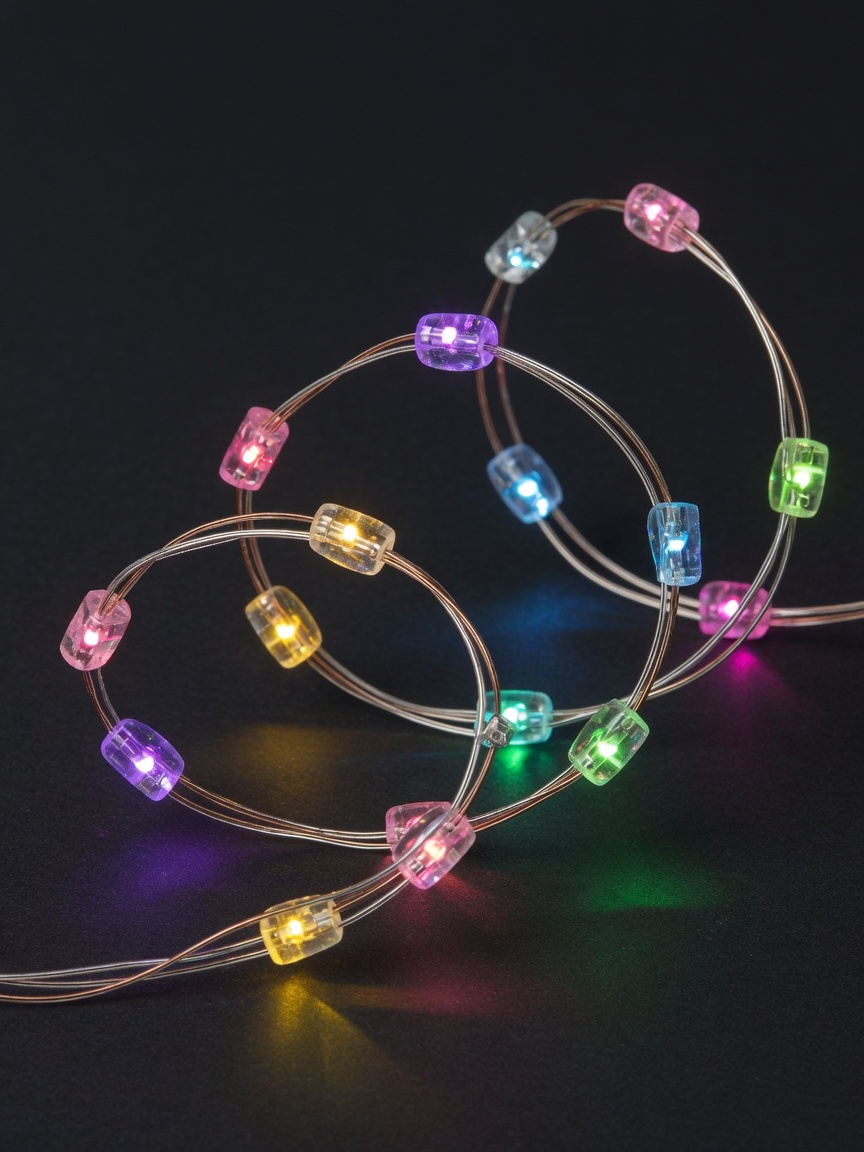
The Retail Business Case for Going Two-Wire: Why the Technical Route Ends Up as Shelf Competitiveness
Consumers don't know two-wire from three-wire, but they'll pick the one that's fine, easy to wrap, and durable. From the consumer experience to production cost to aftermarket reliability, this explains why the two-wire approach is, in the end, competitiveness on the shelf.
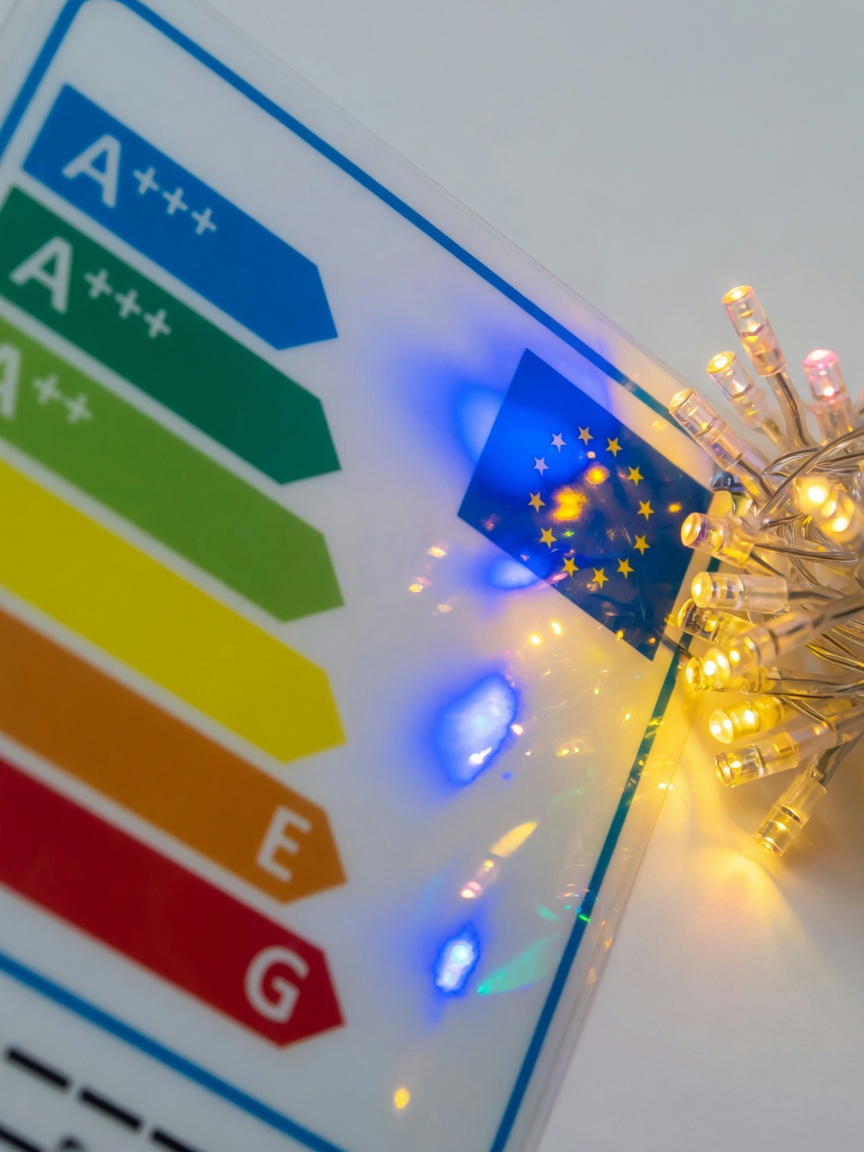
Ecodesign and Energy-Efficiency Law: EU Ecodesign, the Energy Label, and Where Decorative Lighting Falls
EU Ecodesign and the energy label bring 'light sources' under regulation, and decorative and festive light strings often sit on the edge of scope. The Single Lighting Regulation, the energy-label obligation, whether a string counts as a light source—the compliance questions to settle before exporting to the EU.
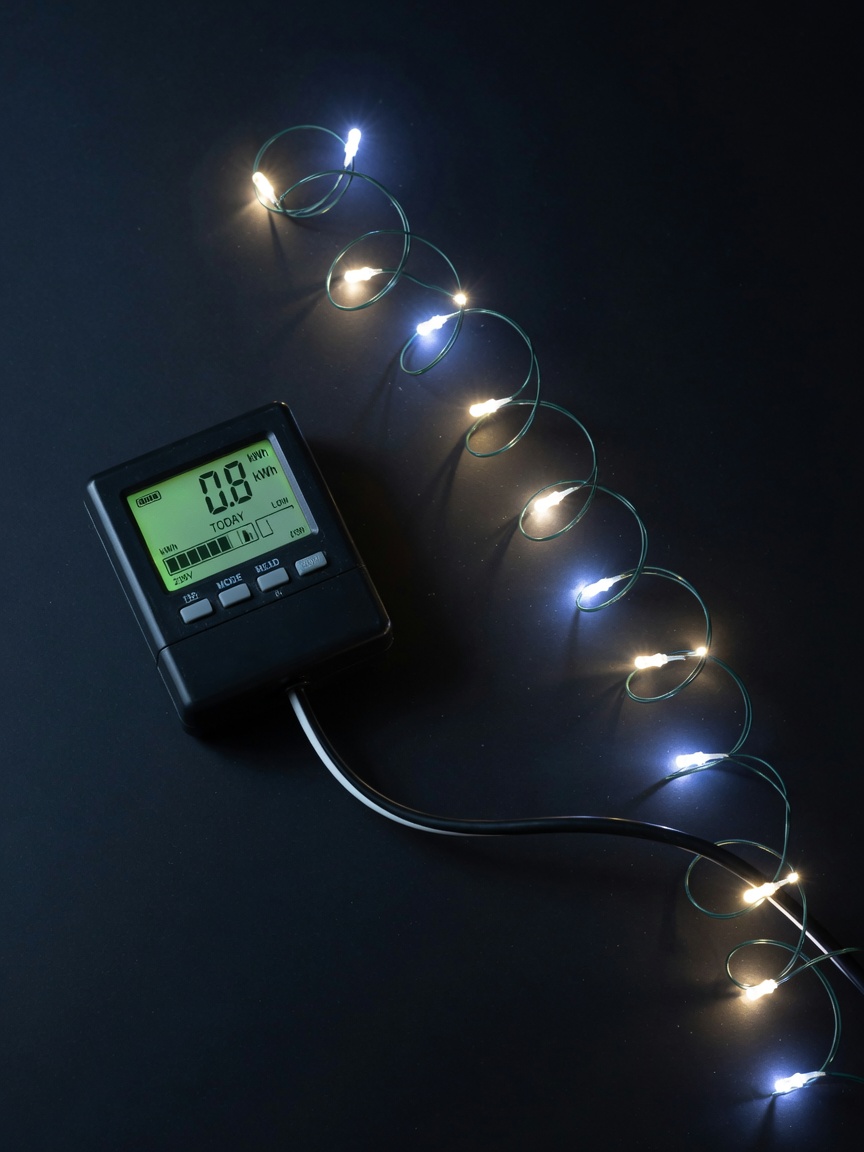
The Energy Bill of a Decorative Light String: LEDs, ENERGY STAR, and the Cost of a Season of Lighting
How much power does a string use over a whole season? From the efficiency gap between LEDs and incandescent bulbs, to the ENERGY STAR decorative-light-string program still running, to a method for estimating the seasonal bill, this piece works out the energy math of decorative lighting.
The New Era of Cybersecurity Compliance for Smart Light Strings: the CRA, ETSI EN 303 645, and the Cyber Trust Mark
A light string that connects to an app is an IoT device, and so it falls within the scope of IoT cybersecurity law. From the EU Cyber Resilience Act timeline, to the ETSI EN 303 645 security baseline, to the U.S. Cyber Trust Mark, this piece maps out where smart lighting should start preparing for compliance.
The Safety Engineering of Battery-Powered Decorative Lights: IEC 62133-2, UN 38.3, and Low-Voltage Power-Saving Design
A copper-wire or wearable light with no cord draws all its energy from a single battery, and the center of gravity of safety shifts entirely. From the IEC 62133-2 battery-safety standard, to the UN 38.3 lithium-transport tests, to low-voltage-detection power-saving ICs, this piece works through the engineering priorities of battery-powered lighting.
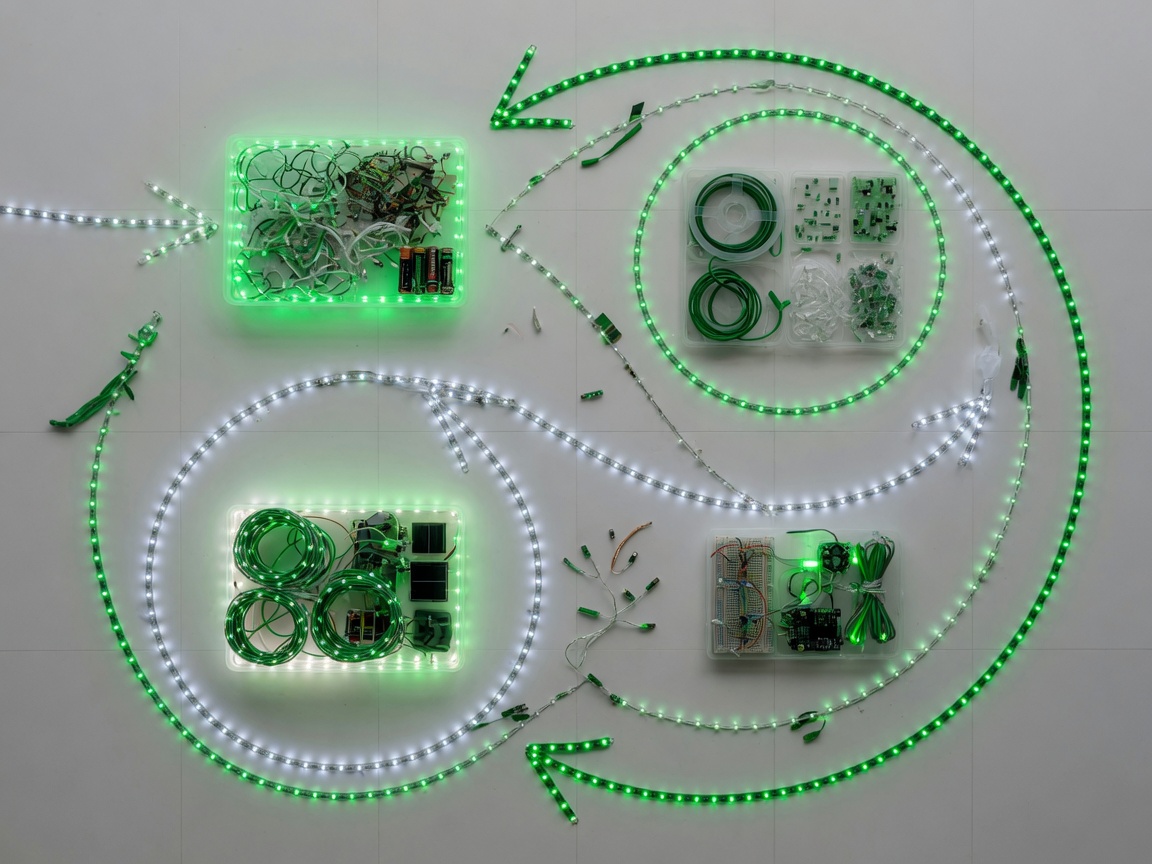
The Circular-Economy Obligations of Decorative Lighting: the WEEE Directive, the New Battery Regulation, and 'Repairable' as a Selling Point
Selling lights into Europe, you also have to answer for their afterlife. From producer responsibility under the WEEE Directive, to what the new Battery Regulation requires of battery-containing products, to how bead-replaceable repair turns from an environmental duty into a selling point, this piece works through the circular economy of decorative lighting.
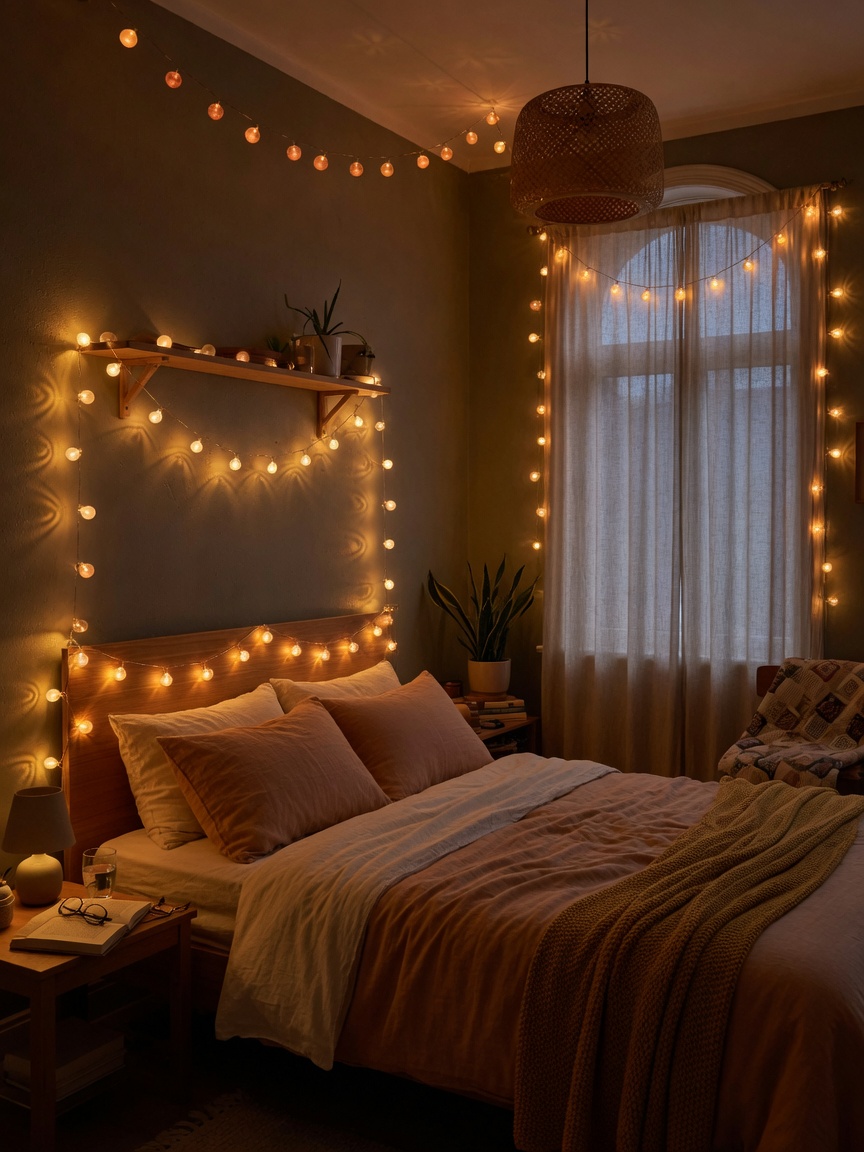
Nighttime Decorative Light and Circadian Rhythm: Melanopic Sensitivity, CIE S 026, and Rhythm-Friendly Warm Light
At the same brightness, bluer and warmer light affect circadian rhythm very differently. From the melanopic sensitivity of ipRGCs and the CIE S 026 measurement system, to why bedrooms and hospitality favor warm, low-blue light and how addressable lighting 'auto-warms at night,' this article unpacks rhythm-friendly lighting.
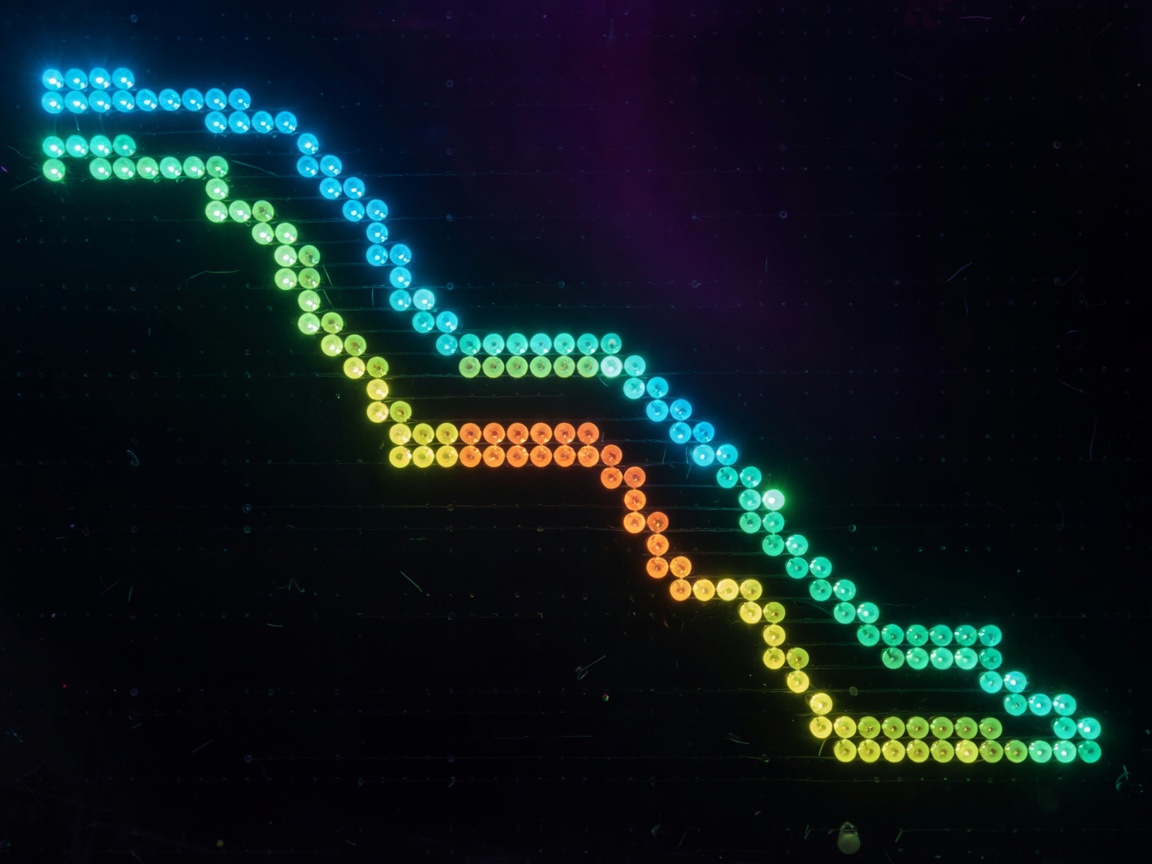
Haitz's Law and the LED Cost Curve: From 'Just Light Up' to 'Every Bead Controllable'
Lumen cost down 10x and luminous flux up 20x every decade. How did this rule of thumb known as Haitz's Law drive down LED prices and push the cost share of the control IC to the point where 'every bead being pixel-controllable' finally makes sense?

Cable and Weathering Engineering for Outdoor Light Strings: Why the 'Wire' Often Fails Before the 'Light'
When an outdoor light string fails, the first suspect is the beads, but the real culprit is often that wire. From the UV aging and low-temperature embrittlement of PVC and rubber jackets to accelerated aging tests and safety standards, this article unpacks an underrated field of weathering engineering.
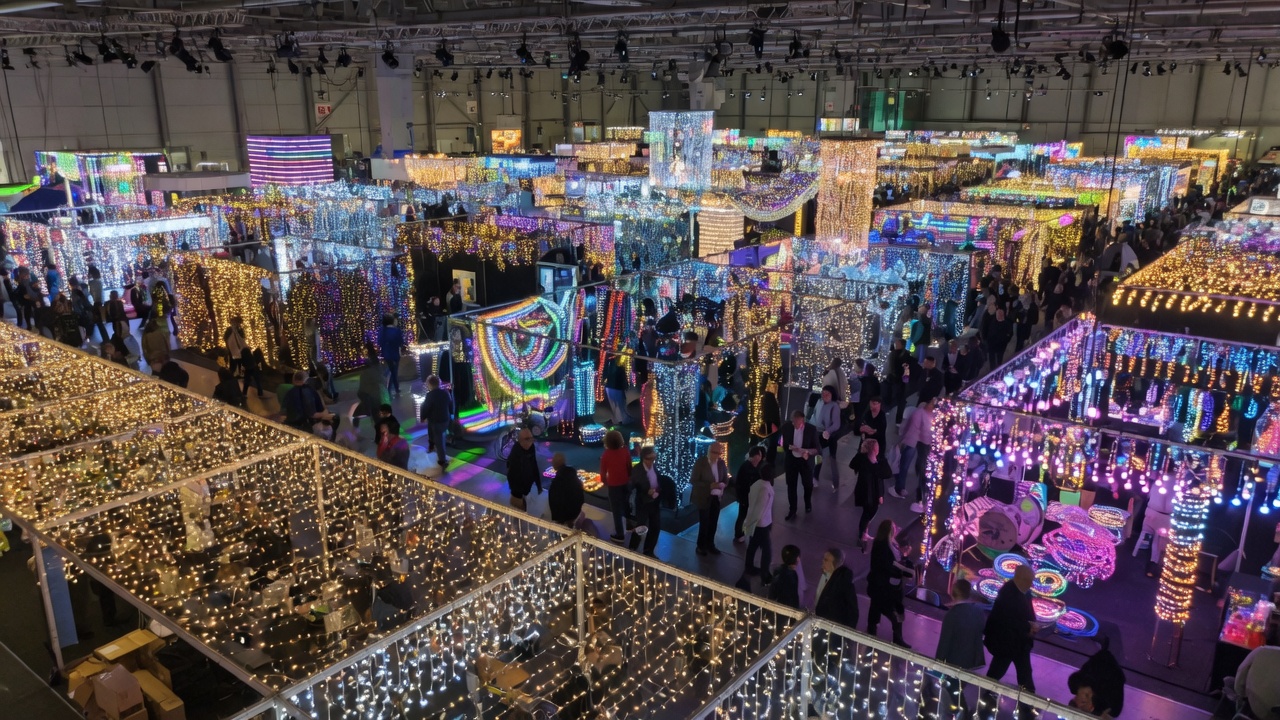
A Lighting-Fair Sourcing Guide: Asia's Procurement Hubs and Ten Questions to Ask a Solution Provider
At a lighting fair, insiders and outsiders ask different questions. From the timing and positioning of Asia's sourcing hubs, to the ten key questions to ask a provider at the booth, to the post-fair sample evaluation process, a hands-on lighting-fair guide for buyers.
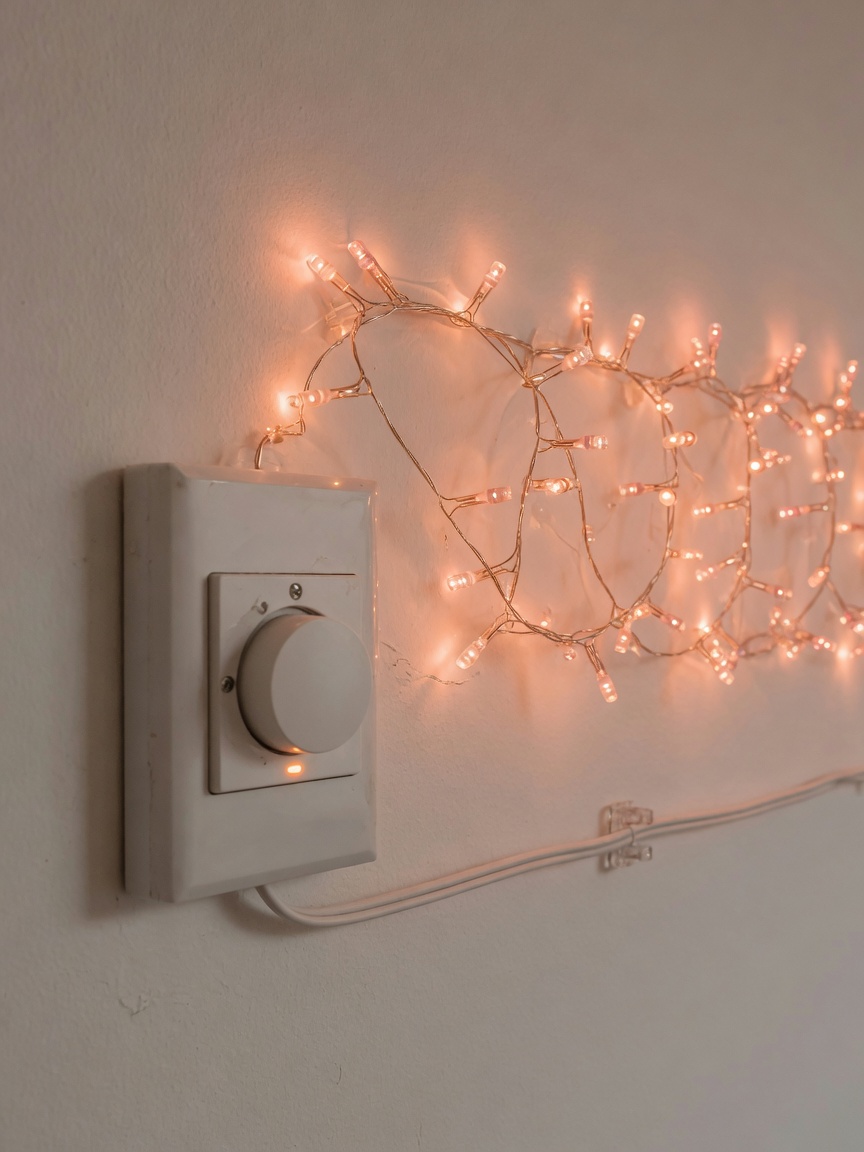
Wall Dimmers and LED Light Strings: Phase-Cut Dimming, SSL 7A, and Sidestepping the Whole Problem
Why do LEDs flicker or refuse to dim on a traditional wall dimmer? From TRIAC leading-edge and trailing-edge phase-cut dimming, to the compatibility difficulty of LED loads, to the NEMA SSL 7A standard, this article unpacks an old problem—and how pixel control sidesteps it.

The Invisible Killer on the Line: ESD Protection, Latent Damage, and Systematic Control of the Static Zone
Static usually doesn't burn a chip on the spot — it leaves invisible latent damage that fails months later. From grounding, wrist straps, and ionisers to anti-static packaging and the ESD Protected Area, a look at the static-protection system of a production line.
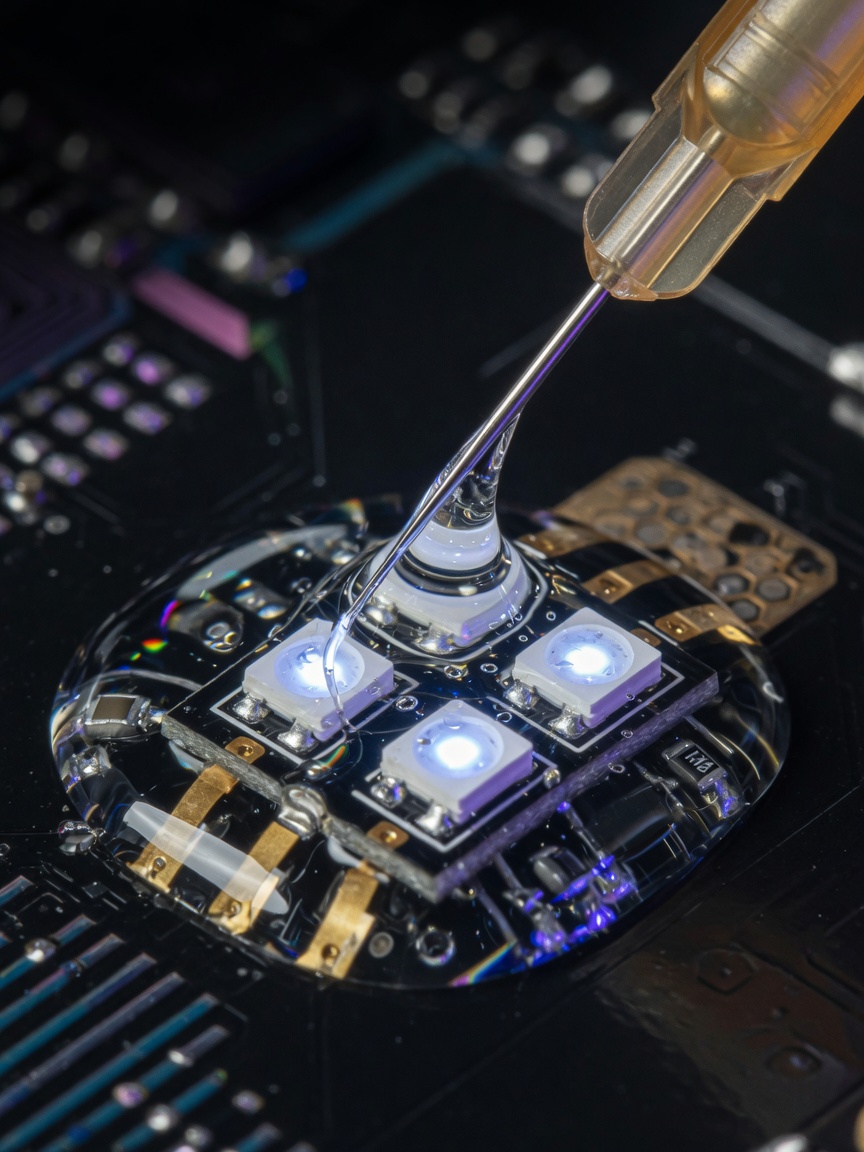
Packaging Beads to Survive the Outdoors: Potting, Coating, Anti-Sulfuration, and the Repairability Trade-off
Whether an outdoor light string holds up often depends not on the bead but on the encapsulation. From the trade-offs among epoxy, PU, and silicone potting, to conformal coating types and their relation to IP ratings, and on to how sealing and repair can coexist, a look at encapsulation engineering.
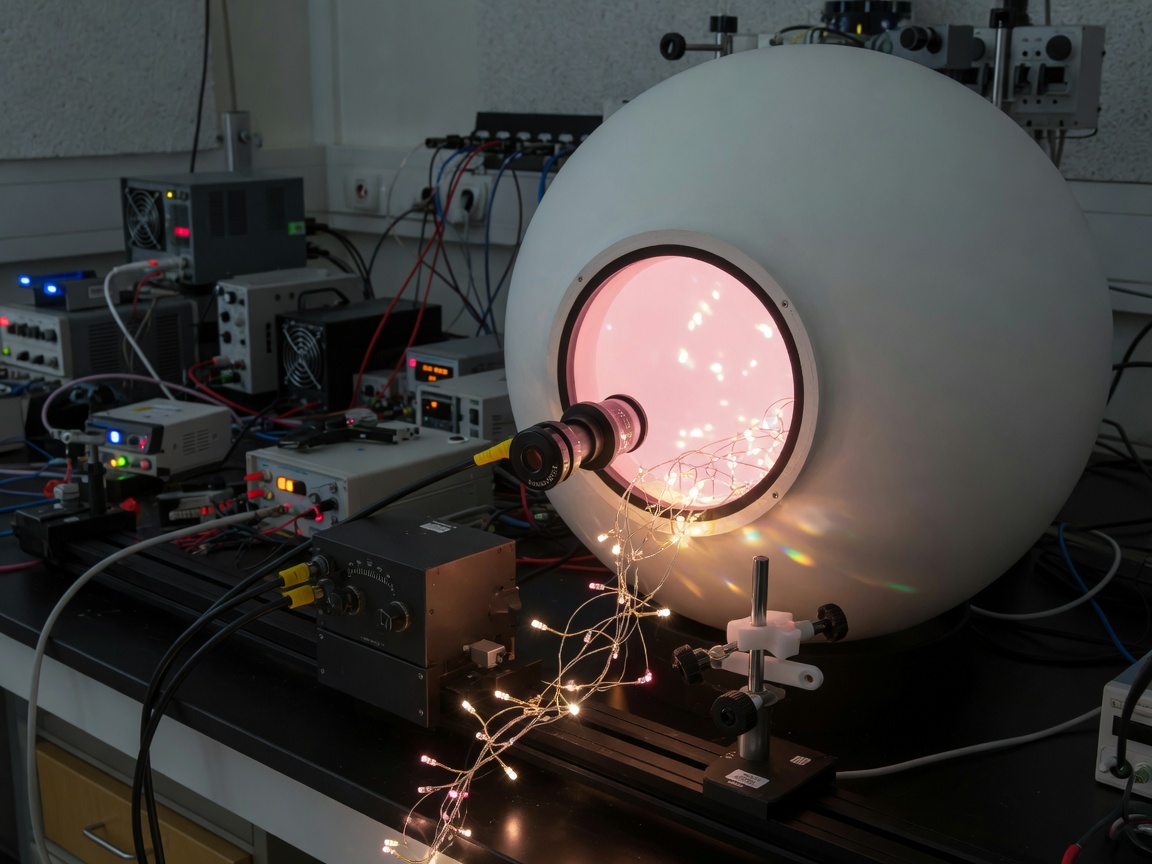
Making Sense of LM-79 Photometric Testing: The Integrating Sphere, the Goniophotometer, and How to Read a Report
How are the lumens, efficacy, CCT, and CRI on a datasheet actually measured? From LM-79's absolute photometry and the division of labor between the integrating sphere and the goniophotometer, to how to read a test report, a look at the practice of LED photometric measurement.
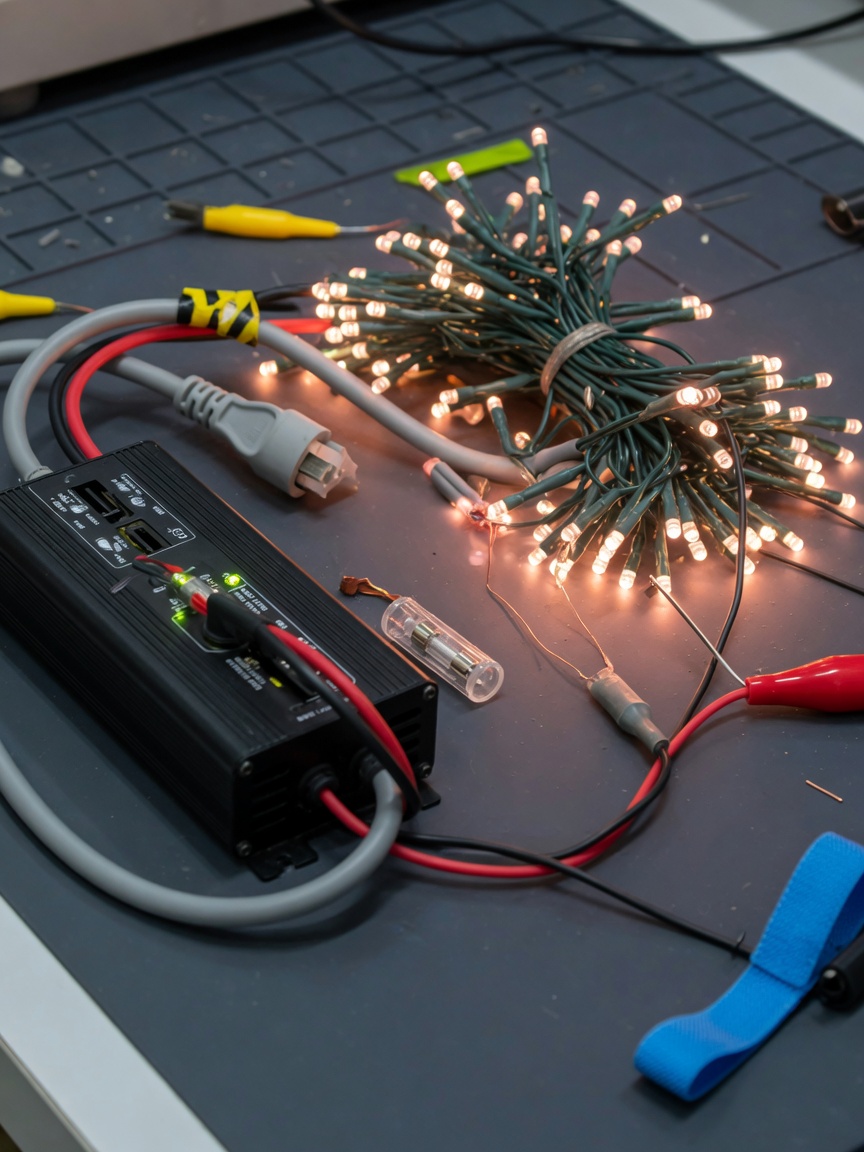
The Safety Baseline of LED Controlgear: Reading Driver Compliance Through IEC 61347
What decides whether a light string is safe isn't the beads, it's the driver behind them. From the general requirements of IEC 61347-1 to the LED-controlgear particular section 61347-2-13, a look at how a driver clears the safety thresholds of heating, insulation, and SELV.
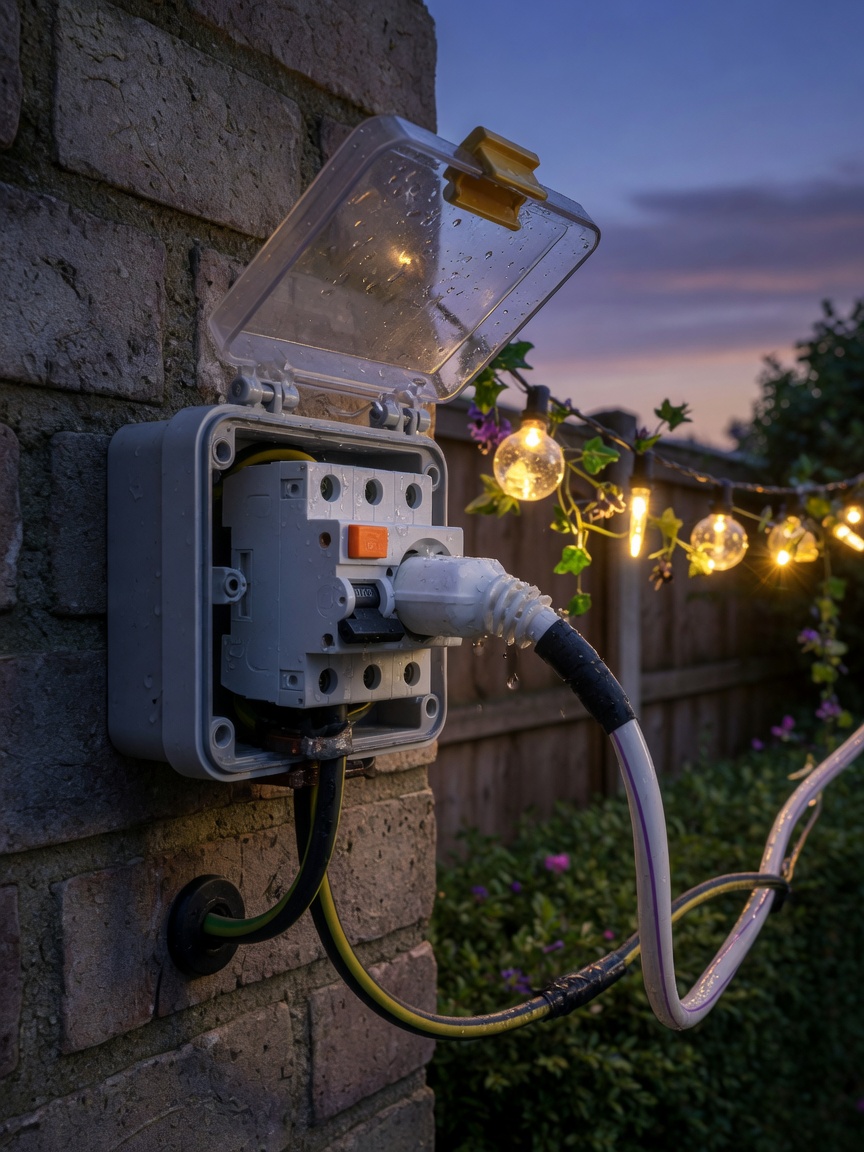
Electrical Safety for Outdoor Lighting: RCDs, Rain Protection, and the Baseline Thinking of Low-Voltage Solutions
Outdoor power is far more dangerous than indoor, and rain and damp make every link potentially fatal. From why an RCD is the baseline of outdoor power, to the outdoor-lighting requirements of IEC 60364-7-714, and on to the source-level protection of low-voltage solutions, a look at the safe installation of outdoor lighting.
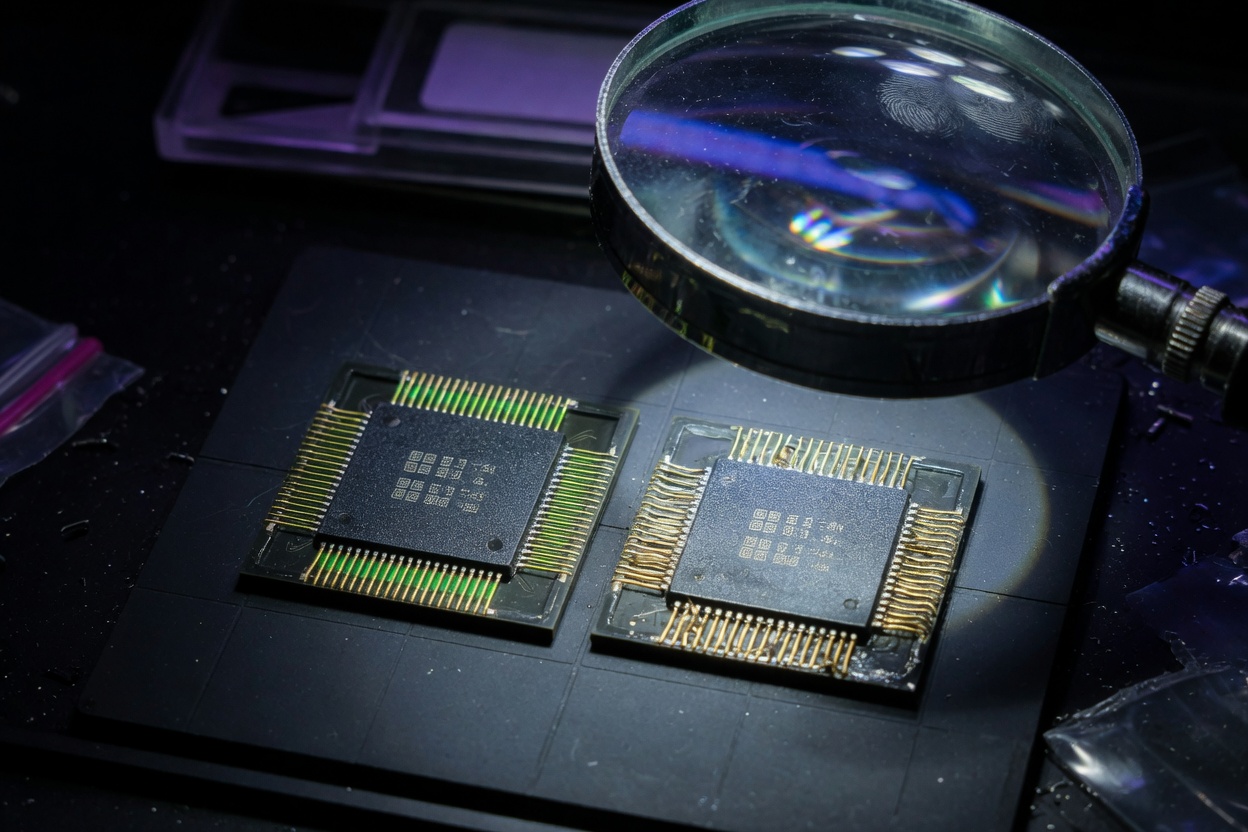
Same Shell, Different Silicon: Counterfeit Components and Supply-Chain Risk in Decorative Lighting
Same look, same silkscreen, different silicon—counterfeit components are far from rare in decorative lighting. From detecting and identifying counterfeit chips to the prevention processes of SAE AS5553 and IEC 62668-1 and the value of buying direct from the maker, this piece unpacks counterfeit supply-chain risk.
GPSR and Product Safety in the E-Commerce Age: The Responsible Economic Operator, Traceability and Delisting Risk
When lights sell into the EU through e-commerce, the chain of safety responsibility shifts entirely. GPSR requires every product to have an 'EU-based responsible person,' traceability information and an incident-reporting mechanism, while platforms must be able to delist quickly. This piece covers the compliance skeleton and what brands should do.
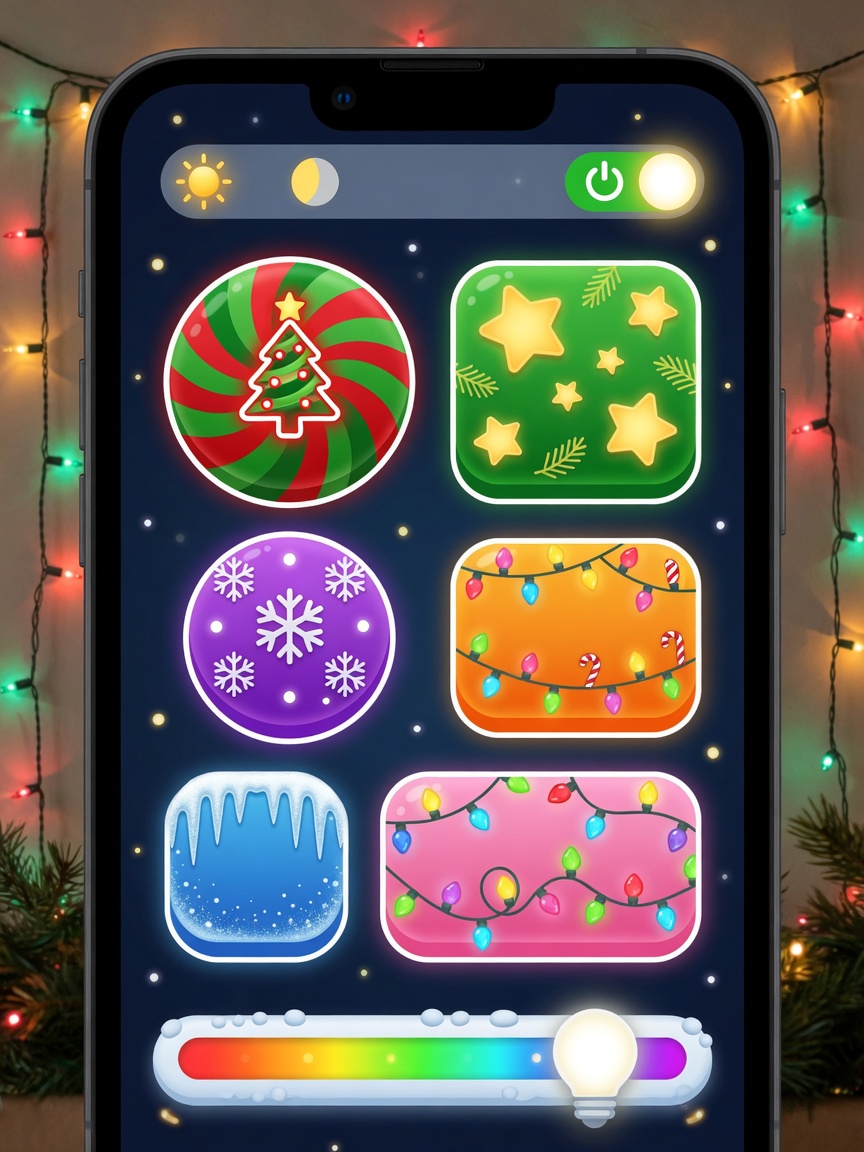
Accessible Design for Lighting Apps: Color-Blind Color Picking, Contrast and a Human-Centred Interface
How does a red-green color-blind user facing a color wheel tell red from green? If a lighting app conveys information by color alone, it shuts a group of people out. From WCAG 2.2's contrast and 'don't rely on color alone' to human-centred design, this piece is about accessibility in the lighting interface.
A Map of the Lighting Industry's Standards Bodies: What IEC, CIE, IES, UL and CEN Each Govern
IEC, ISO, CIE, IES, ANSI, NEMA, UL, ETSI, CEN, CENELEC—the string of acronyms you meet taking lighting global. Who governs what, who cites whom? This is a map of the standards bodies for newcomers, so you can find your bearings in the jungle.
Packaging Sustainability and the EU PPWR: Reduction, Recycled Content and the Plastic-Free Trend for Festive Goods
The packaging of festive goods often becomes rubbish faster than the product. The EU PPWR (Regulation (EU) 2025/40) rolls out reduction, recycled-content and recyclability requirements in phases, replacing the old packaging directive. This piece is about that pressure and the design trend and cost reality of plastic-free packaging.
No articles in this category yet.