LEDs barely produce heat—a widely circulated misconception. In reality, an LED turns most of the electrical energy into heat, and if that heat cannot escape it directly makes the pixel dimmer, shift color, and die young. Temperature is the most invisible yet most critical variable behind an LED's performance and lifespan. This article is about why heat dissipation matters, where the heat comes from, and where it should go.
- Debunking the myth: LEDs are actually afraid of heat
- Junction temperature: the master variable of brightness and lifespan
- Where the heat goes: thermal-management design methods
- The cooling challenge of high-density addressables
- Heat dissipation is also a matter of selection and structure
- References and standards
- FAQ
“LEDs don’t get hot”—a widely circulated misconception.
In reality, an LED turns a considerable share of the electrical energy into heat, and if that heat cannot escape it directly makes the pixel dimmer, shift color, and die young. Temperature is the most invisible—and most critical—variable behind an LED’s performance and lifespan. This article is about why heat dissipation matters, where the heat comes from, and where it should go—which is especially deadly for outdoor and high-density addressable applications.
Debunking the myth: LEDs are actually afraid of heat
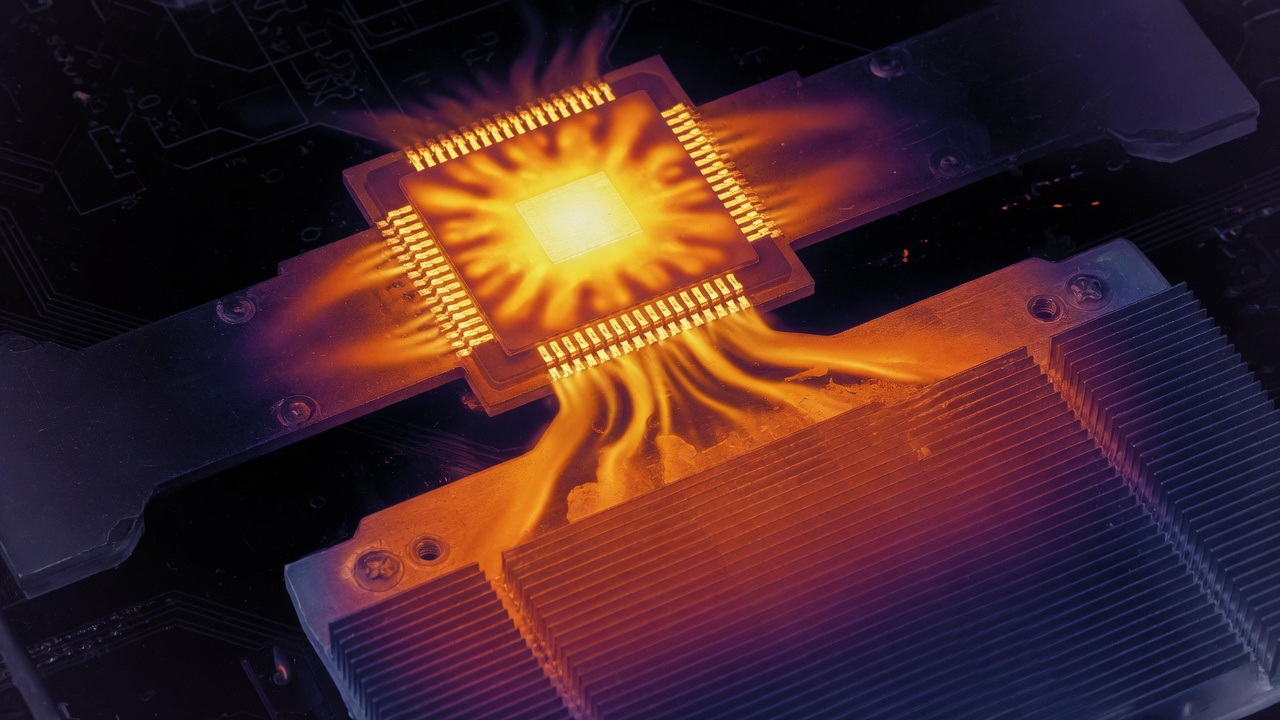
An LED does not radiate large amounts of heat forward as infrared the way an incandescent bulb does, which leads people to assume it “doesn’t get hot.” But in reality, an LED turns a considerable share of the electrical energy into heat, and that heat is concentrated at the die’s junction—an extremely small region.
Heat that is concentrated and hard to dissipate is exactly where the LED thermal-management challenge lies. If the junction’s heat cannot be conducted to the surroundings effectively, the junction temperature rises—and junction temperature decides everything about an LED.
Junction temperature: the master variable of brightness and lifespan
Junction temperature is the key variable that determines LED performance, and it affects the pixel in two ways:
- Instantaneous thermal droop—as temperature rises, an LED’s light output drops temporarily and the color may shift. The same pixel is brighter when cold and dims once it heats up.
- Long-term permanent depreciation—sustained high temperature accelerates irreversible lumen depreciation and shortens lifespan.
This is exactly why IES LM-80 requires lumen depreciation to be tested at specific temperatures[1]—because temperature is the main variable in the rate of depreciation. Lifespan projection (TM-21) is likewise built on these temperature-dependent measured data[2]. In other words, heat-dissipation design is written directly into the pixel’s lifespan number.
Where the heat goes: thermal-management design methods
The goal of thermal management is simple: conduct the junction’s heat to the surroundings effectively. But it is a multi-layer effort:
- Conduction path—a good substrate and thermal-interface materials to carry heat out of the die.
- Heat-dissipation area—sufficient area or a heatsink to release heat into the air.
- Layout density—sensible pixel spacing to avoid dense heat forming hot spots.
- Drive current—more current means more heat. Controlling current reduces heat at the source.
These four interlock, from chip and package to structure and drive. Any weak link pushes the junction temperature up.
The cooling challenge of high-density addressables
Addressable pixels are in a special position: they are often densely packed—3D light screens, high-density light walls, fine shapes. The higher the density, the finer the visuals, but the more heat concentrates per unit area and the more readily hot spots form.
This is a trade-off: density vs. cooling. Engineering must find a balance among layout density, drive current, and heat-dissipation structure. PowerMOS’s constant-current architecture and selectable drive current help here—a sensible current design controls heat at the source, and constant current also avoids the extra heat caused by over-raising current to compensate for voltage drop.
Heat dissipation is also a matter of selection and structure
Heat dissipation ultimately comes down to selection and structural decisions. PowerMOS point-control chips offer a constant-current architecture with selectable drive current; a sensible current design helps control heat generation, and paired with a good package and heat-dissipation structure, they meet the thermal-management needs of outdoor and high-density applications. See full model parameters at the product center.
Further reading: for the relationship between temperature and lifespan, see How Long Do LED Pixels Last; for current and efficiency, see Constant-Current Drive and Efficiency.
References and standards
- IES LM-80, Approved Method: Measuring Luminous Flux and Color Maintenance of LED Packages, Arrays and Modules. Illuminating Engineering Society.
- IES TM-21, Projecting Long-Term Luminous, Photon, and Radiant Flux Maintenance of LED Light Sources. Illuminating Engineering Society.
This article is an educational overview of thermal engineering. The names of the cited standards can be verified in the official catalog of the Illuminating Engineering Society (IES). PowerMOS point-control chips use a proprietary carrier protocol optimized specifically for LED point control.
FAQ
Do LEDs really produce no heat?
A common misconception. An LED does not radiate large amounts of heat as infrared the way an incandescent bulb does, but it turns a considerable share of the electrical energy into heat, concentrated at the die's junction. If that heat cannot be conducted away effectively, the junction temperature rises, directly affecting light output, color, and lifespan. So LEDs in fact need good heat-dissipation design to carry heat from the junction to the surroundings.
How does junction temperature affect an LED's brightness and lifespan?
Junction temperature is the key determinant of LED performance. As temperature rises, an LED's light output drops (thermal droop) and its color may shift; prolonged high temperature also accelerates permanent lumen depreciation and shortens lifespan. IES LM-80 requires lumen depreciation to be tested at specific temperatures precisely because temperature is the main variable in the rate of depreciation. Good heat dissipation improves both brightness stability and lifespan.
What design methods does thermal management involve?
The goal of thermal management is to conduct heat from the junction to the surroundings effectively. Methods include: a good substrate and thermal-interface materials (to carry heat out of the die), sufficient heat-dissipation area or a heatsink, a sensible pixel layout density (to avoid hot spots), and controlling the drive current (more current means more heat). Heat dissipation is a multi-layer effort spanning chip, package, structure, and drive.
What special cooling challenges do high-density addressable pixels face?
Addressable pixels are often densely packed (3D light screens, high-density light walls), concentrating heat per unit area and readily forming hot spots. This requires a balance among layout density, drive current, and heat-dissipation structure—higher density is visually finer but adds thermal stress. A sensible current design (indoor 3.5–7mA, outdoor 7–20mA) and heat-dissipation structure are the keys to high-density applications.
What options does PowerMOS offer for pixel heat dissipation and current?
PowerMOS point-control chips offer a constant-current architecture with selectable drive current; a sensible current design helps control heat generation, and constant current also avoids the extra heat caused by over-raising current to compensate for voltage drop. Paired with a good package and heat-dissipation structure, they meet the thermal-management needs of outdoor and high-density applications. See full model parameters at the product center.
Upgrading your string lights to full pixel control?
Power MOS Electronics delivers the complete stack — driver ICs, addressing equipment, controllers and apps. Tell us about your product and our engineering team will spec it with you.
Contact PowerMOS Browse products